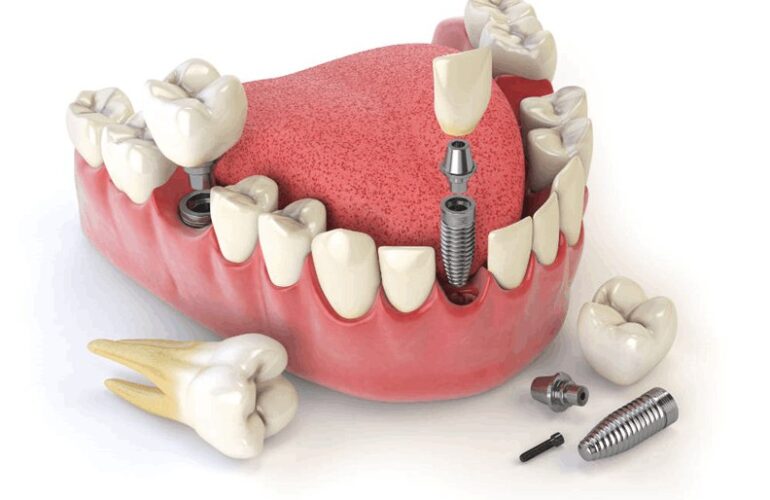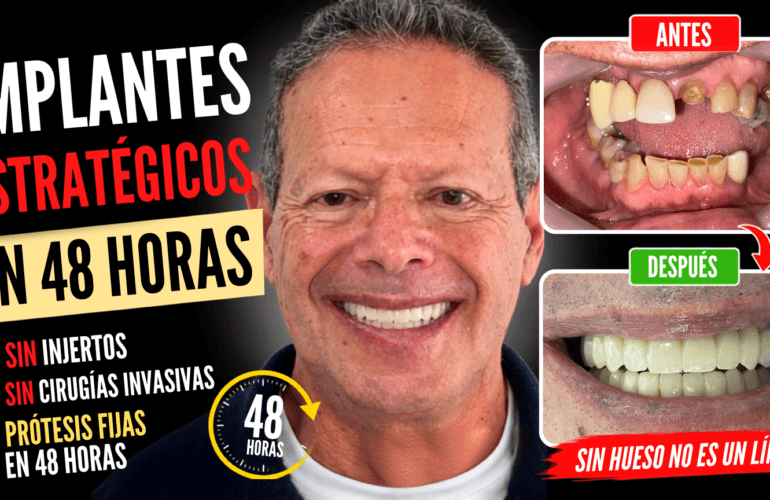
Considering All-on-4, All-on-6 or full-mouth dental implants in Colombia? Our team assesses whether you need to replace one complete arch or both, and whether any natural teeth can be retained. We explain conventional and strategic implant options after reviewing your health, bite and imaging.
Explore our clinics and request an individual assessment.
What does full-mouth rehabilitation mean?
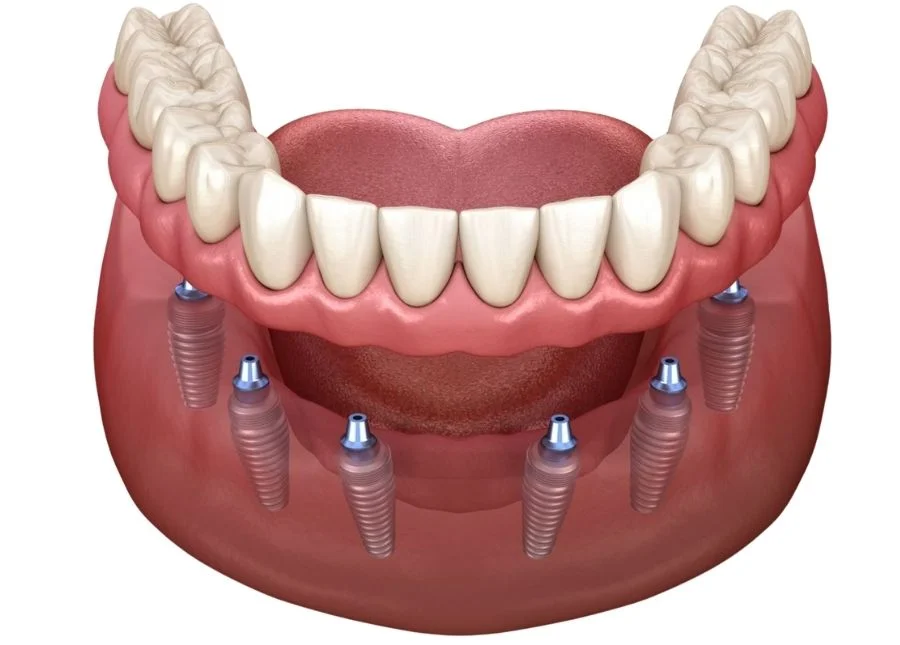
A fixed full-arch prosthesis replaces the teeth in one upper or lower jaw and is supported by implants. It is different from a removable denture. “Full-mouth dental implants” commonly refers to treating both arches; each jaw needs its own examination and plan.
Who may benefit from a full-arch assessment?
An assessment may be useful if you have lost most or all teeth in an arch, your removable denture moves or makes eating difficult, or several damaged teeth remain. In the latter case, we assess whether they should be restored or extracted as part of a full-arch plan. It also helps assess bone loss and previous treatments requiring review. These conditions do not confirm on their own that you need All-on-4 or All-on-6.
Full-mouth rehabilitation: planning for your whole dentition
Full-mouth rehabilitation may involve both arches and combine treatments according to which teeth can be retained. One complete arch and the whole mouth have different scopes: an upper-arch quotation does not necessarily include the lower arch. Each may need a different implant count, material and schedule.
Compare full-arch options at a glance
All-on-4
Four implants support one fixed arch. In our conventional protocol, an acrylic prosthesis is commonly considered.
All-on-6
Six implants support one fixed arch. Our team often assesses this option when planning a zirconia prosthesis.
Strategic implants
A different anchorage and planning approach for selected cases, including limited bone. The number of implants depends on the arch.
This is an orientation only. Imaging, your bite and the prosthetic plan determine the appropriate option.
Clinical photos of All-on-4 and All-on-6
These photographs show prostheses and clinical views of treatments performed by our team. Images of prostheses outside the mouth make their design easier to see. Every treatment requires an individual assessment.
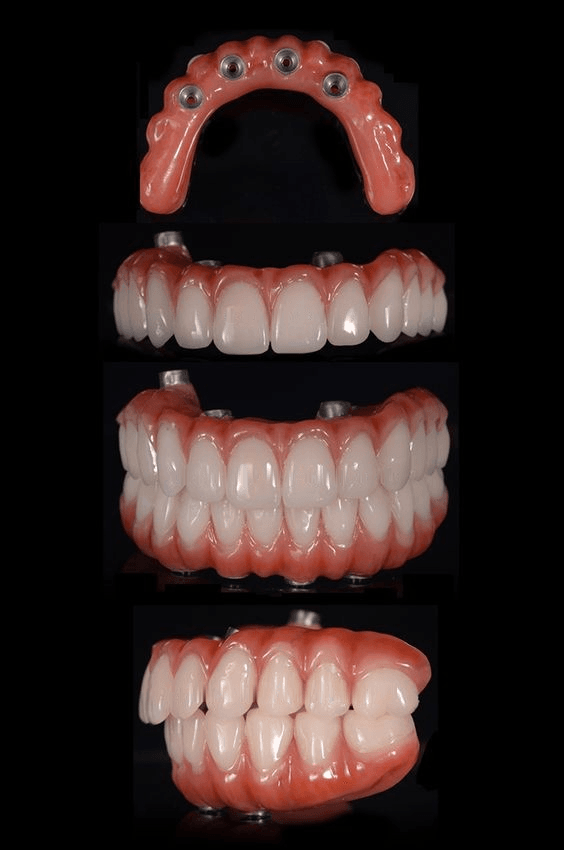
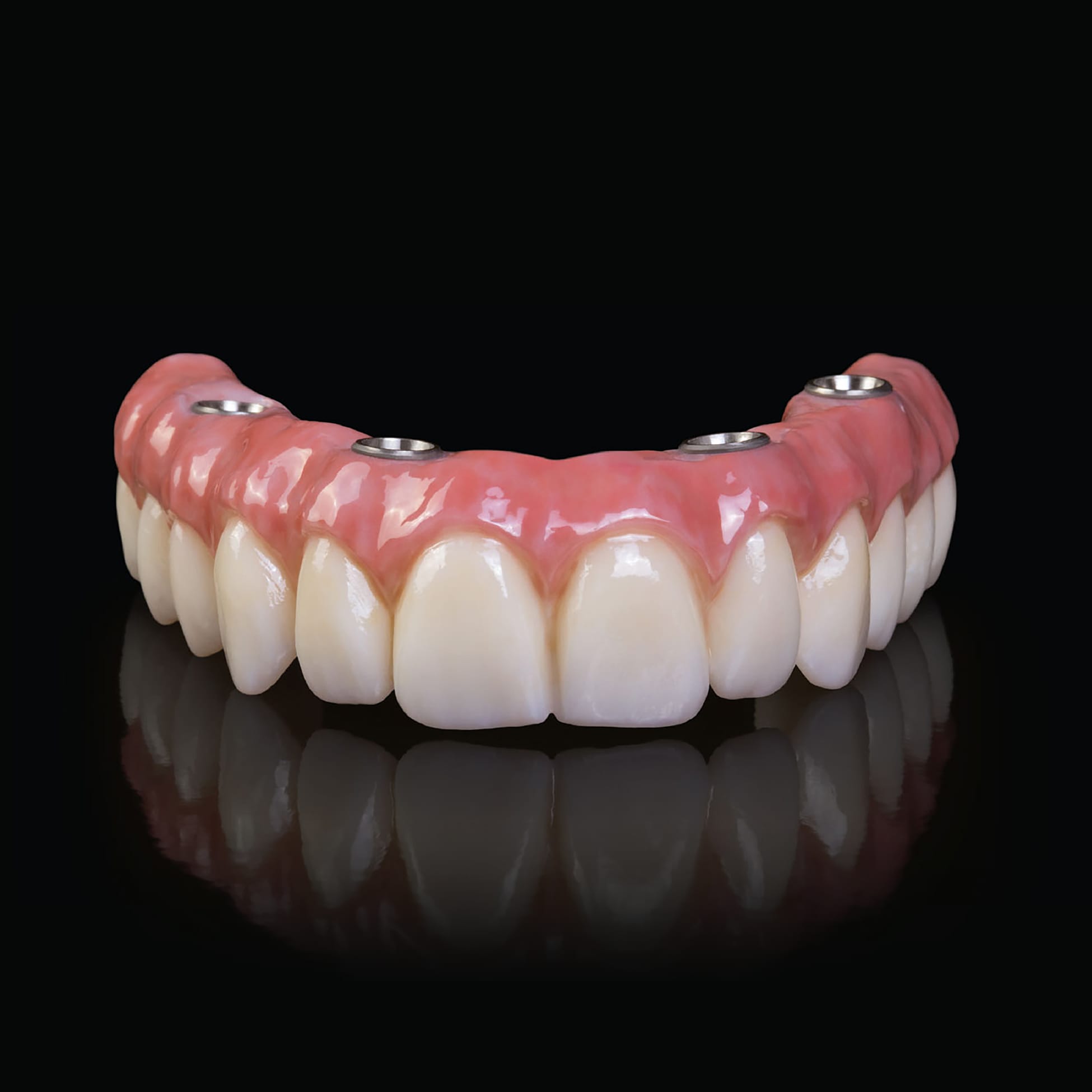
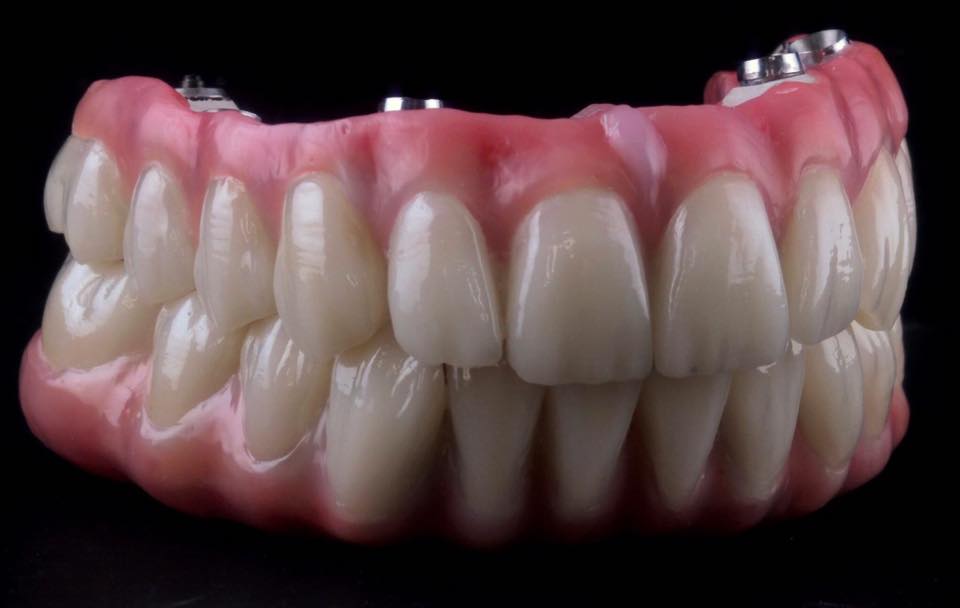
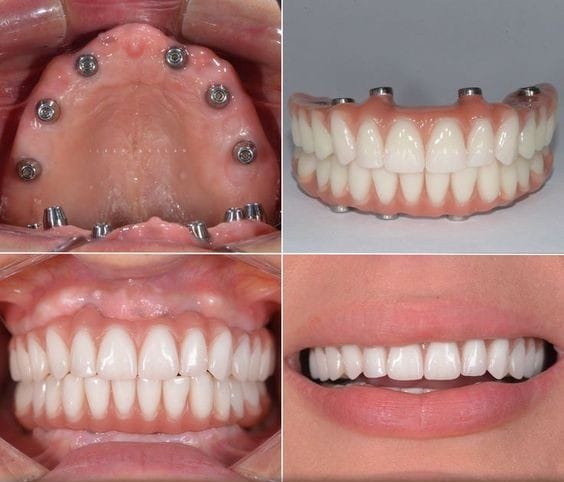
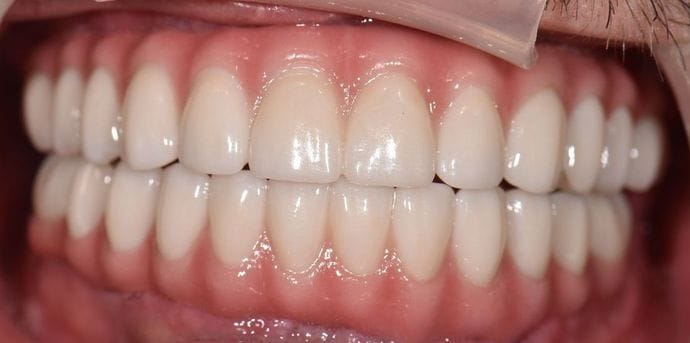
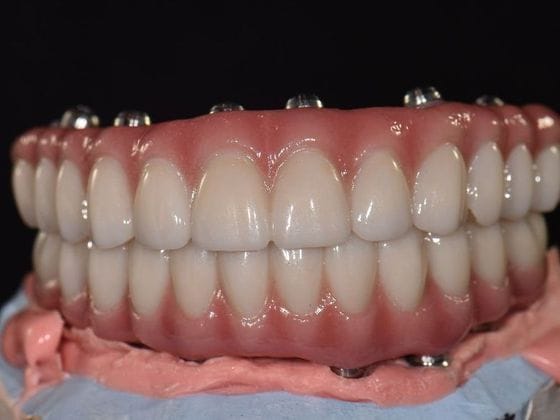
These images show different cases and prostheses; they do not represent one continuous before-and-after sequence.
All-on-4: a fixed arch on four implants
All-on-4, also searched as All on four, describes a full-arch restoration supported by four implants. In our conventional protocol this is often combined with an acrylic prosthesis. Four implants are not automatically appropriate for everyone. Implant position, bone, bite, prosthesis design and maintenance all matter.
All-on-6: a fixed arch on six implants
All-on-6, or All on six, uses six implants for one arch. At our practice this is often considered when a zirconia prosthesis is planned. This describes our clinical approach, not a universal rule about prosthetic materials. The final recommendation follows an individual assessment.
Strategic or corticobasal implants: another full-arch option
Strategic implantology can replace one tooth, several teeth or a complete arch. For some patients with limited bone it may offer an alternative when grafting or a longer conventional sequence has been proposed. These implants seek anchorage in cortical bone and, in our protocol, may avoid bone grafting as a preliminary stage.
For a complete arch our team may plan approximately 10–12 upper implants or 8–10 lower implants, depending on the case. The protocol includes connecting the implants with a first fixed prosthesis within 48–72 hours. This early connection is a planned part of the technique, not an optional step after surgery. The prosthesis depends on the material chosen: definitive acrylic does not require a planned change to zirconia; if definitive zirconia is chosen, an interim PMMA prosthesis is followed by zirconia from 8 months onward.
Some procedures can be performed without raising a wide flap. The surgical approach, need for sutures and recovery vary by patient. Diabetes or an autoimmune condition does not automatically rule out an assessment; disease control, medication and surgical risks must be reviewed first.
Prosthesis materials: acrylic, metal-ceramic and zirconia
Alongside implant count, compare the prosthesis material, maintenance and treatment stages. The choice depends on your bite, available space, aesthetic expectations and budget. The first fixed prosthesis and the definitive restoration may use different materials.
Acrylic prosthesis
In our conventional protocol this is often associated with All-on-4. Acrylic allows adjustments and repairs and generally costs less than zirconia. Wear or staining may develop over time, and repairs or replacement may be needed. Its support, cleaning and maintenance must be reviewed.
Metal-ceramic prosthesis
This combines a metal framework with a porcelain covering. When comparing this option, we assess strength, appearance, required space and repair possibilities. Its appearance and behaviour differ from an all-ceramic restoration; not every option suits the same mouth.
Zirconia prosthesis
At our practice, All-on-6 is often considered when a zirconia prosthesis is planned. Zirconia offers strength and aesthetic possibilities and usually costs more than acrylic. Appropriate design, bite, cleaning and follow-up remain essential. The material does not replace planning or make six implants a universal recommendation.
How we choose the treatment
Dr Johanna Calderón and her team of specialists assess your medical history, mouth, bite and appropriate imaging. If All-on-4 or All-on-6 is selected for an arch, the remaining teeth in that arch are extracted and replaced by a full-arch implant-supported prosthesis. If preserving teeth is preferable, we explain other restorative options. Occasionally, even teeth that could be retained need extraction to achieve an appropriate bite and prosthetic design. Your individual plan explains extractions, implant number and positions, initial and definitive prostheses, surgery, follow-up and costs. With conventional treatment, immediate fixed loading depends on the primary stability and insertion torque achieved when implants are placed; this can only be confirmed during surgery. If stability is insufficient, a removable interim prosthesis may be planned during osseointegration when healing and any grafts permit its use.
Treatment stages, prostheses and travel schedule
Dr Johanna Calderón and her team of specialists review each patient’s investigations and plan the treatment. The schedule below is indicative. Please confirm your personal treatment plan and dates with the team before booking flights.
| Treatment | What is included and when it is delivered | Expected visits |
|---|---|---|
| Conventional All-on-4 or All-on-6 | Indicated extractions, implants and an interim prosthesis. The definitive fixed prosthesis is acrylic or zirconia according to the quoted option. It is usually fitted after about 4 months; grafting can change this schedule. | Two visits if implants can be placed during the first surgery; up to three when grafting must be completed first. |
| Strategic corticobasal implants with acrylic | Indicated extractions, implants and the fixed acrylic prosthesis directly, about 48–72 hours later. No interim PMMA prosthesis is used. | One visit lasting 7–10 days for surgery, prosthesis and reviews. |
| Strategic corticobasal implants with zirconia | Indicated extractions, implants, a first fixed PMMA prosthesis at about 48–72 hours and definitive zirconia in a second stage. | Two visits of 7–10 days each; the second no earlier than 8 months after the first. |
Travel calendar by grafting needs and prosthesis material
Conventional: implants during the first surgery
- First visit: extractions, implants and grafts if needed. A fixed interim prosthesis depends on primary stability and insertion torque confirmed during implant placement. If these do not permit immediate loading, a removable interim prosthesis may be considered during osseointegration when healing and any grafts permit its use.
- Second visit: after about 4–6 months, depending on grafting, allow around 10 days to make and adjust the definitive fixed prosthesis.
After a sinus lift, the team may advise avoiding any prosthesis for roughly two weeks to protect the graft. The length of the first stay is determined individually.
Conventional: grafts before implants
- First visit: grafting and recovery; an estimated 7–15-day stay. It may be best to wait about two weeks before wearing a removable prosthesis so the surgical site is not disturbed.
- Second visit: 6–9 months later for implant placement; estimated stay 5–7 days.
- Third visit: about 4 months after implant placement; allow around 10 days to make the definitive fixed prosthesis.
Strategic with definitive acrylic
- Day 1: extractions if needed, implant placement and a digital scan for prosthesis design.
- After 48–72 hours: fitting the fixed acrylic prosthesis, without an interim PMMA stage.
- Stay: 7–10 days to allow for follow-up before travelling home.
This is one treatment stage and usually one trip.
Strategic with definitive zirconia
- First visit: day 1, extractions if needed, implants and a digital scan; day 2, a resin try-in and adjustments based on clinical fit and patient preferences; around day 3, fitting the first fixed PMMA prosthesis.
- Second visit: from 8 months onward, definitive zirconia after assessing gum changes and refining the design. If the patient cannot return earlier, the interval may extend to 24 months after individual review.
- Stay for each visit: 7 days; 10 days is preferable for trying the prosthesis and extra follow-up.
Can I receive fixed teeth in one day?
With conventional All-on-4 or All-on-6, an immediate fixed interim prosthesis is possible only if the implants achieve adequate primary stability and insertion torque. This is confirmed after placement during surgery. Otherwise, a removable interim prosthesis may be used during osseointegration when healing permits. In our strategic full-arch protocol, once selected after assessment, the first fixed prosthesis connecting the implants is placed within 48–72 hours after surgery. This early connection is a required part of the protocol, not an optional later step. Aftercare and follow-up are still required.
Zygomatic implants for substantial bone loss
In our team’s strategic protocol, many patients with limited bone can be treated with corticobasal implants without zygomatic implants. We reserve zygomatic implants for very severe upper-jaw atrophy when corticobasal anchorage alone cannot provide the planned rehabilitation. With a conventional approach and insufficient bone, grafting, a sinus lift or other options, including zygomatic implants when indicated, may be assessed. Their use requires individual evaluation with 3D CT imaging and review of nearby structures.
Read about zygomatic implants (Spanish). See the indications described by ITI.
Aftercare and risks you should understand
Fixed teeth on implants require daily cleaning and professional reviews. Our team will explain how to clean around the implants and underneath the prosthesis. Follow individual instructions on diet, medication and activity during recovery.
Complications can include healing difficulties, infection, implant loss, tissue inflammation and loosening or fracture of components. Your specific risks should be explained before consent. Disclose medicines, medical conditions and tobacco use; do not stop medication yourself. Seek assessment if you notice movement, persistent pain, swelling, bleeding or changes in your bite.
Video: hybrid prosthesis alternatives
This video from our team presents prosthetic alternatives using conventional or strategic implants. The videos below are in Spanish.

Patient experiences and clinical cases
Patient experiences can help you understand the process and prepare questions. Each case is individual and does not guarantee the same results or timing. Videos may show different fixed-rehabilitation protocols, not necessarily the same treatment.
Patient experiences in English

 ▶ Dental implant rehabilitation experience in Colombia
 ▶ Fixed implant-supported prosthesis experience
Additional experiences in Spanish
 ▶ Strategic implant experience in Colombia (Spanish)
 ▶ Fixed rehabilitation and hybrid prosthesis experience (Spanish)
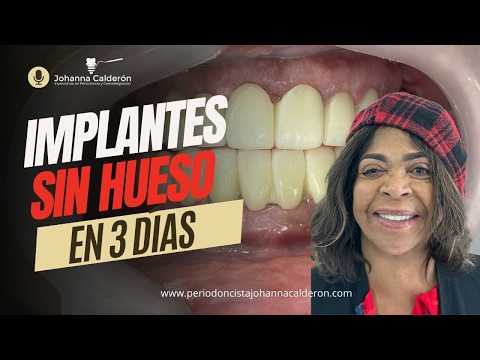 ▶ Strategic implant experience (Spanish)
Patient testimonial: a full-arch prosthesis on strategic implants
In this video, a patient describes receiving a full-arch prosthesis supported by strategic implants. This is a different treatment from conventional All-on-4. His experience is individual.

A patient experience
Watch an international patient describe her strategic implant treatment in Colombia. Her experience illustrates the process but does not guarantee the same timing or outcome for another patient.

Clinical cases: strategic implants and All-on-4
The first two cases show bimaxillary rehabilitation with strategic corticobasal implants; the third shows All-on-4. Treatment is chosen after an individual assessment, and these results do not guarantee another person’s outcome.
Case 1 · strategic implants plus two zygomatic implants
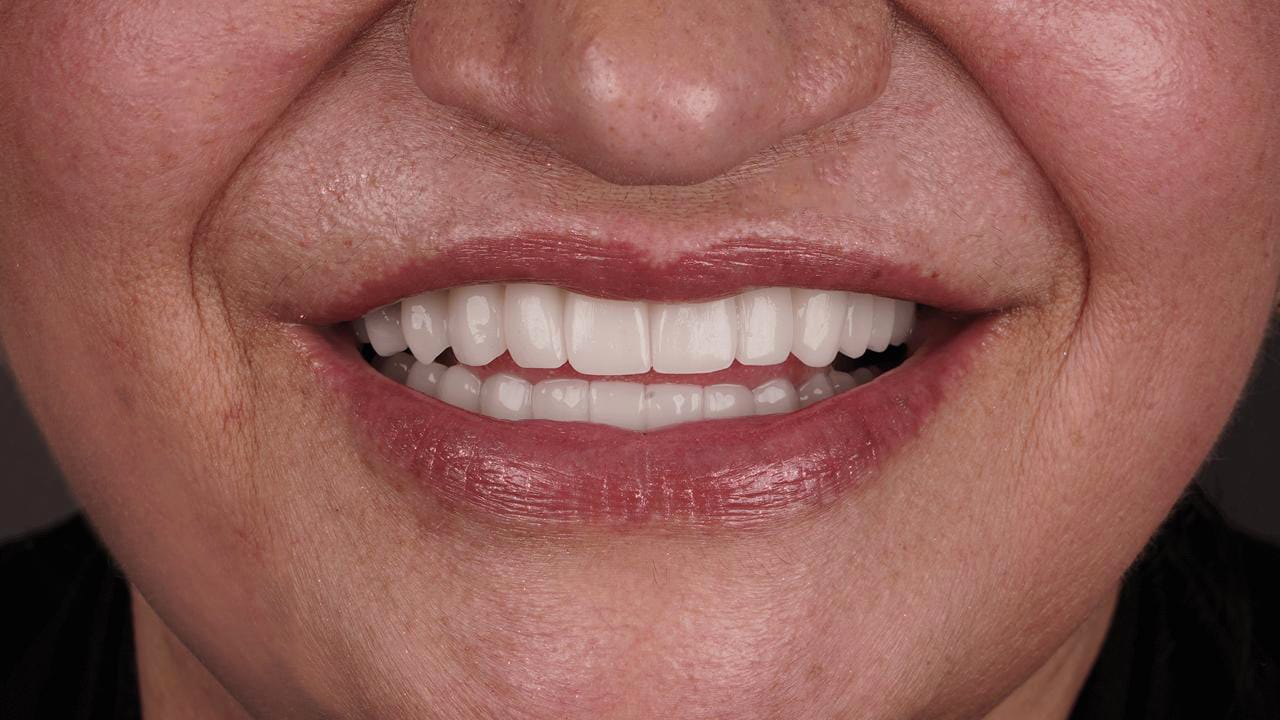
Both arches were rehabilitated with strategic corticobasal implants. Severe upper-jaw atrophy required two additional zygomatic implants. No preliminary bone graft was used. A first fixed PMMA prosthesis was placed within 48 hours.
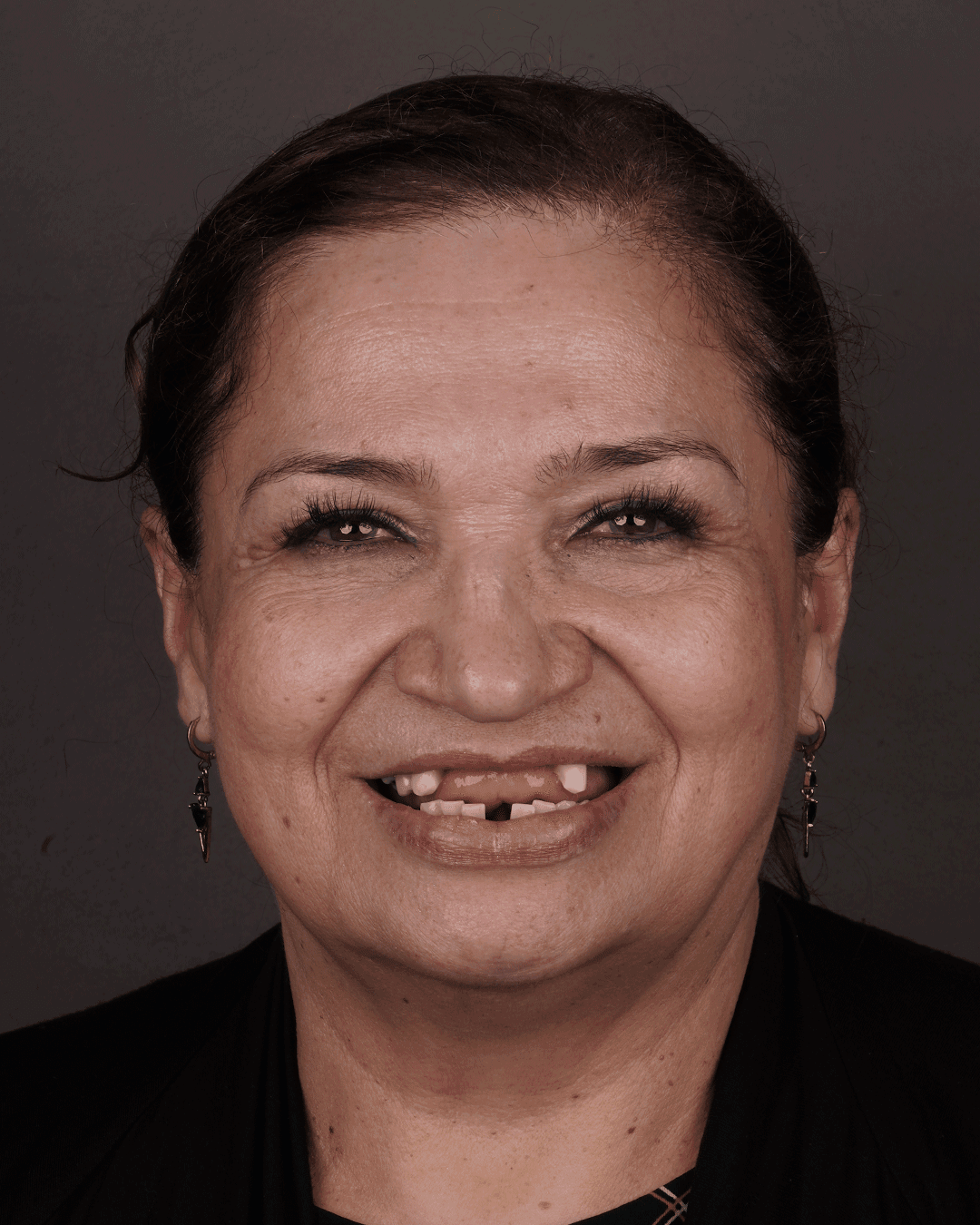
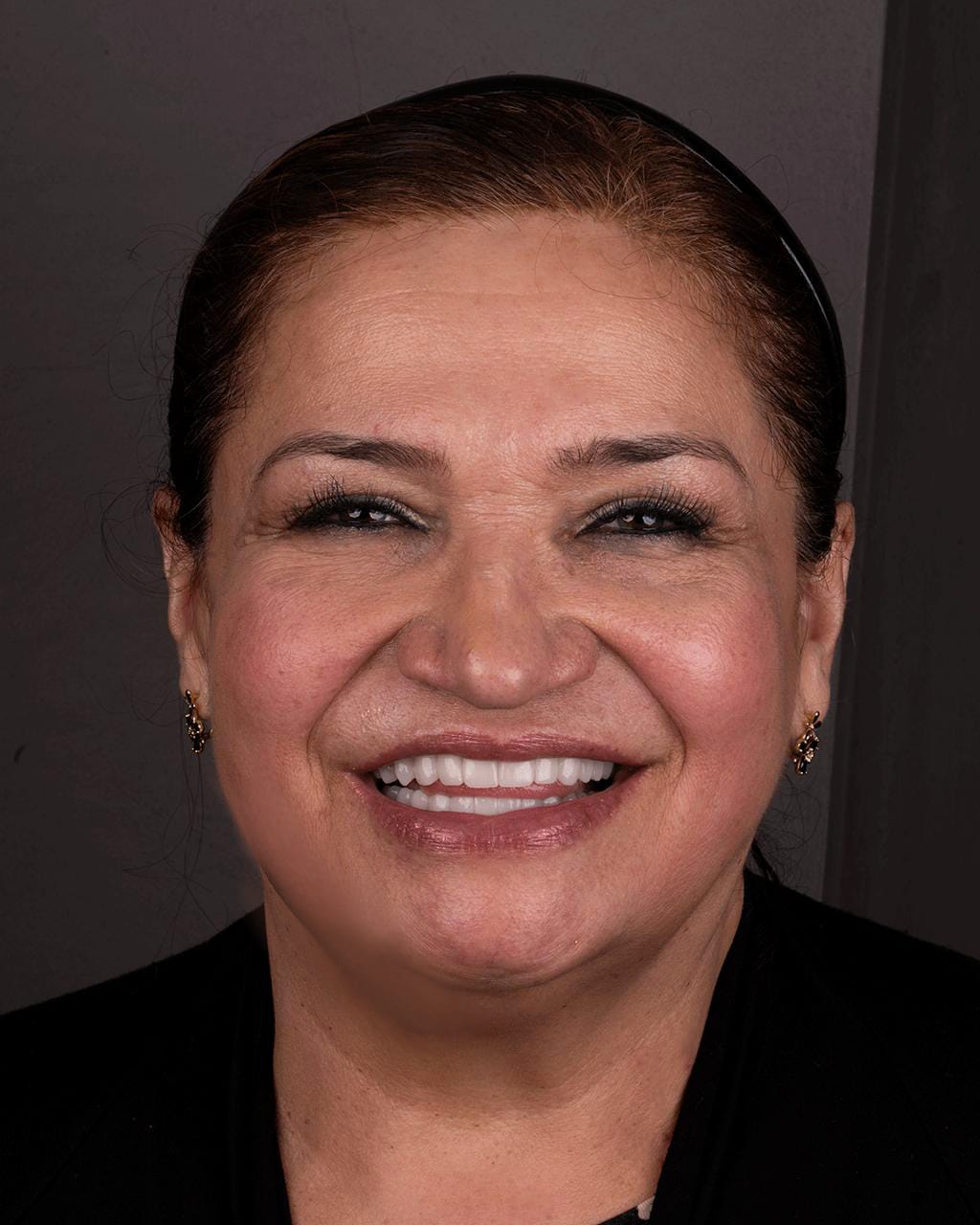
Closer view of the smile: these photographs show the change in the teeth more clearly.
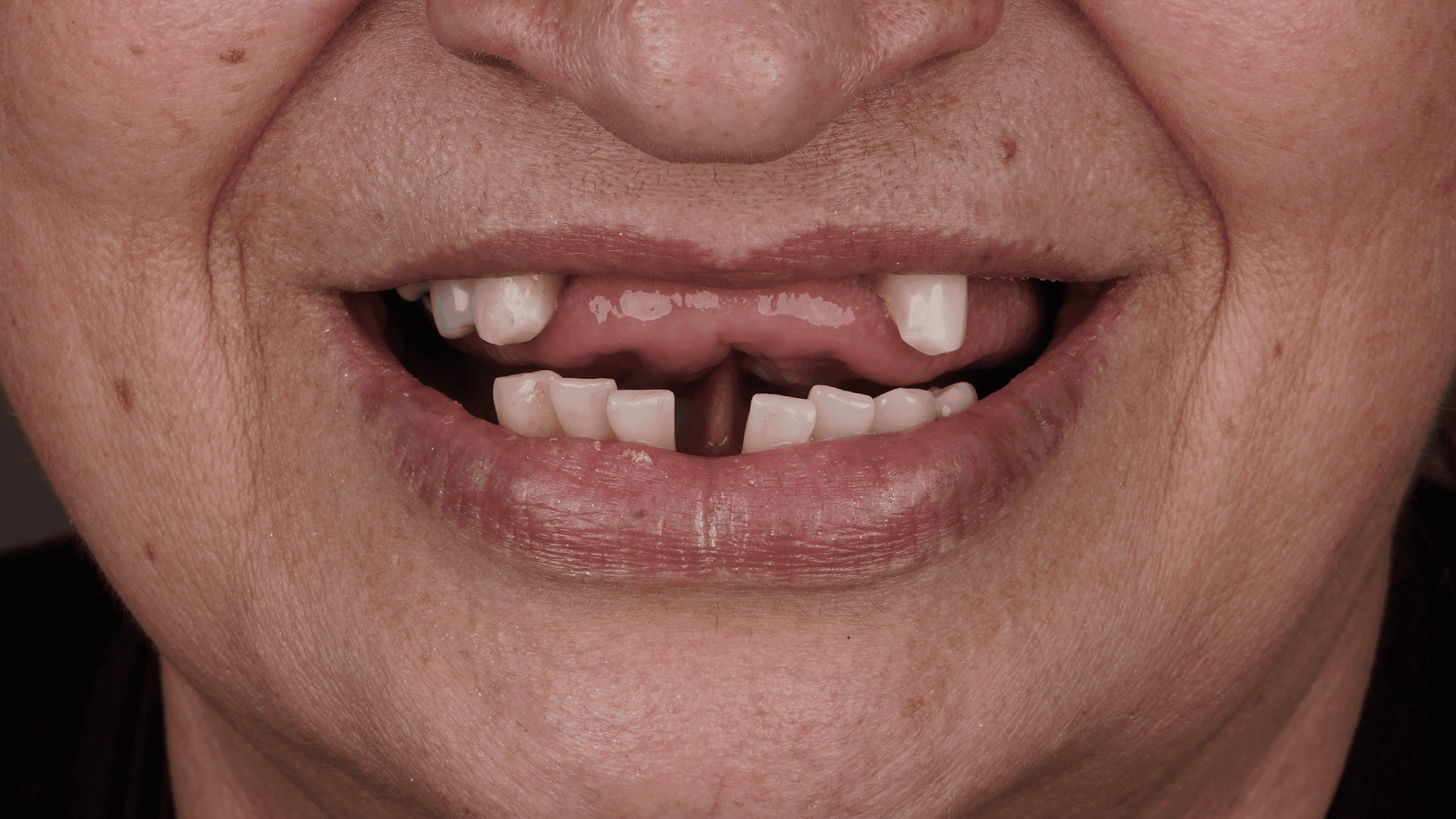
Case 2 · strategic implants only
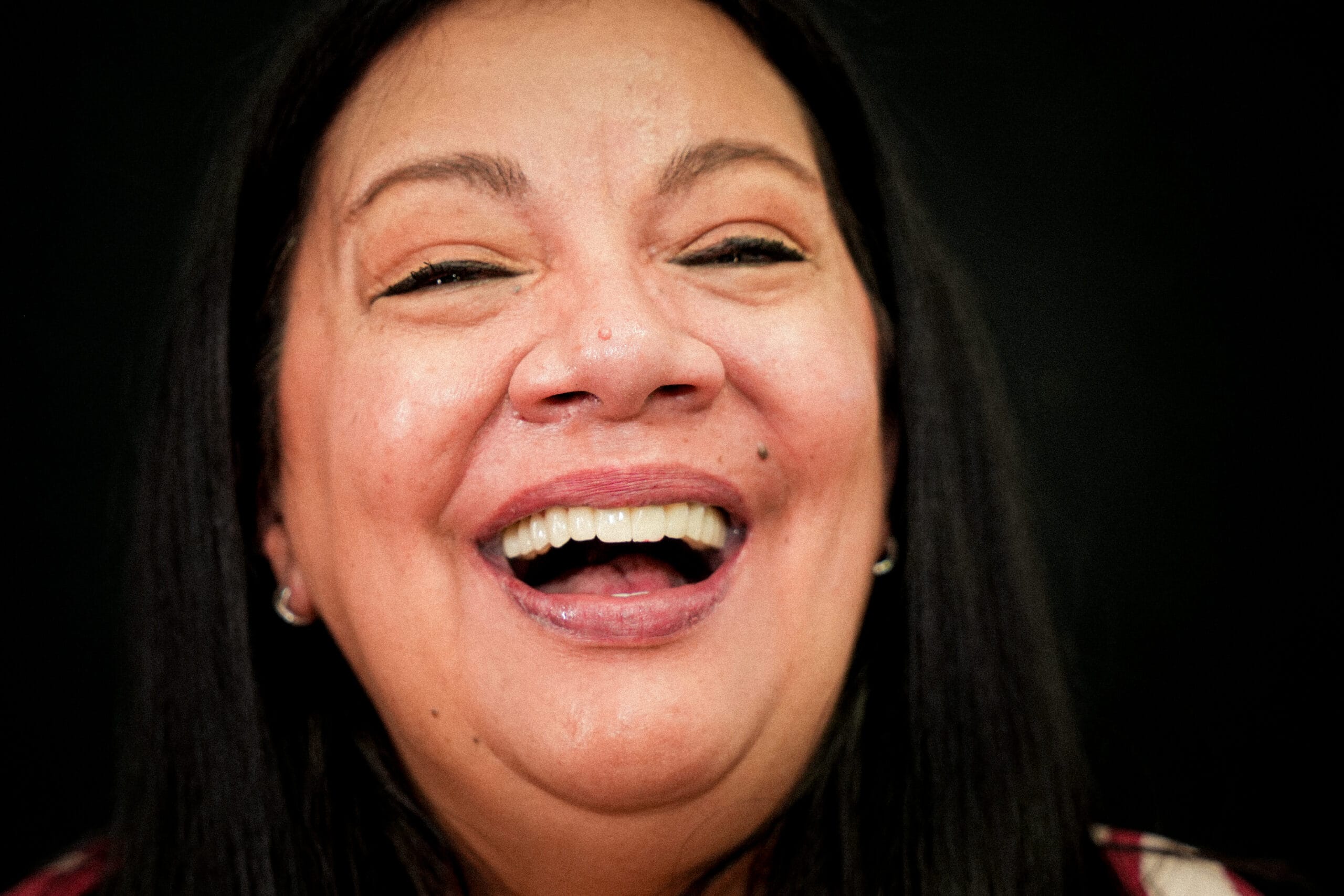
Both arches were rehabilitated with strategic corticobasal implants, without zygomatic implants or preliminary bone grafts. A first fixed PMMA prosthesis was placed within 48 hours.
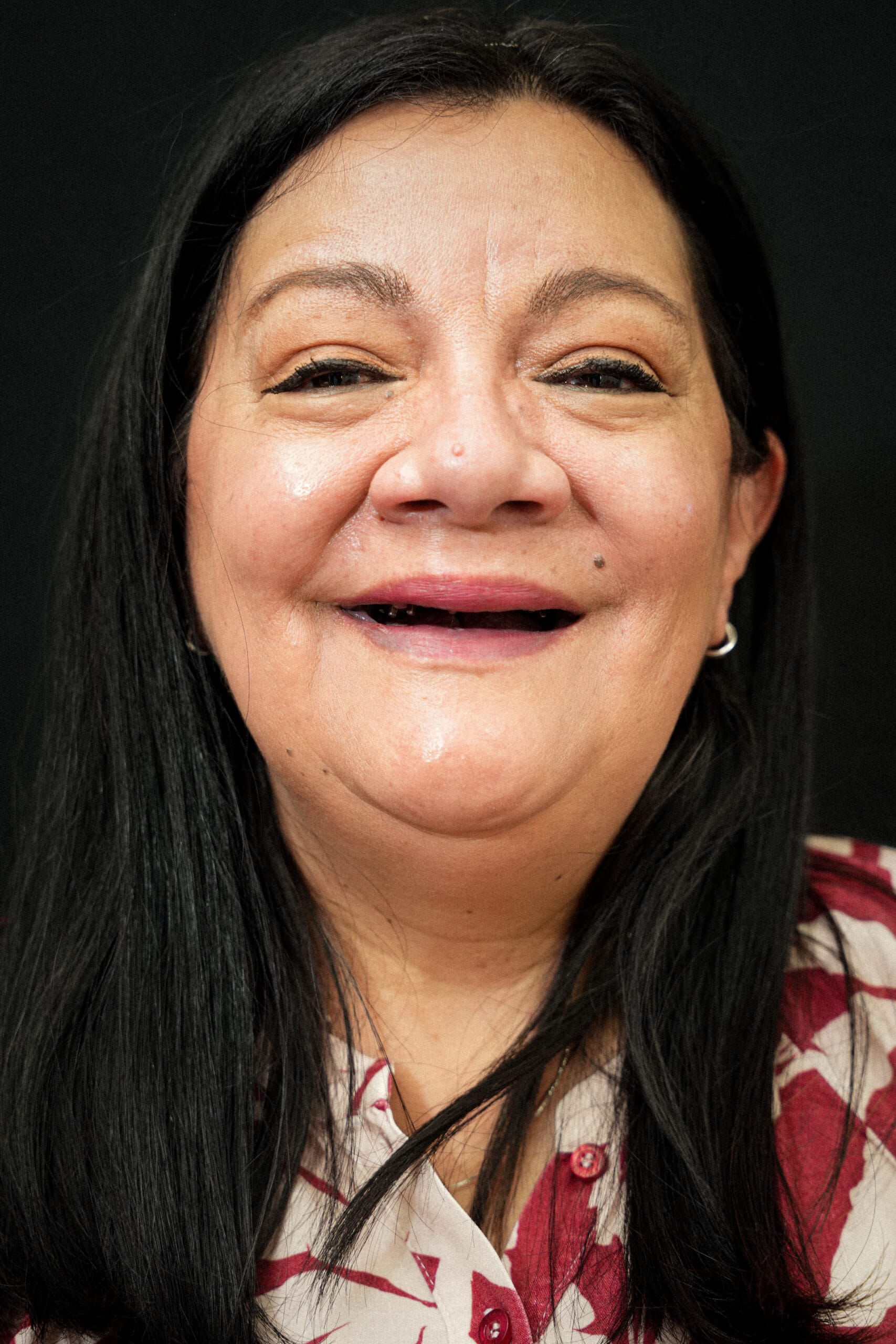
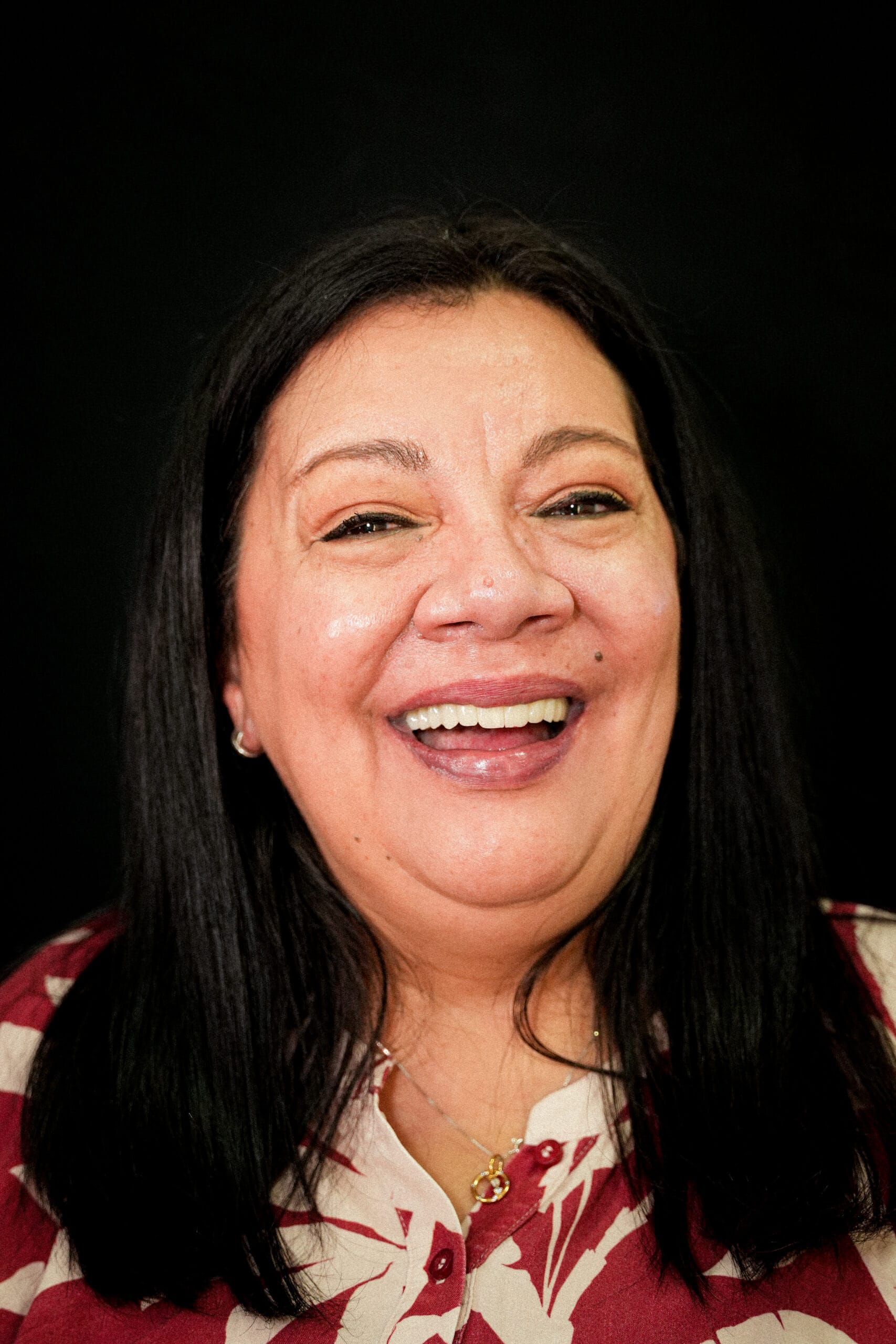
More photographs of this case
Another view of the smile and clinical images of the treatment stages. The PMMA prosthesis shown here is the initial restoration, not the definitive one.
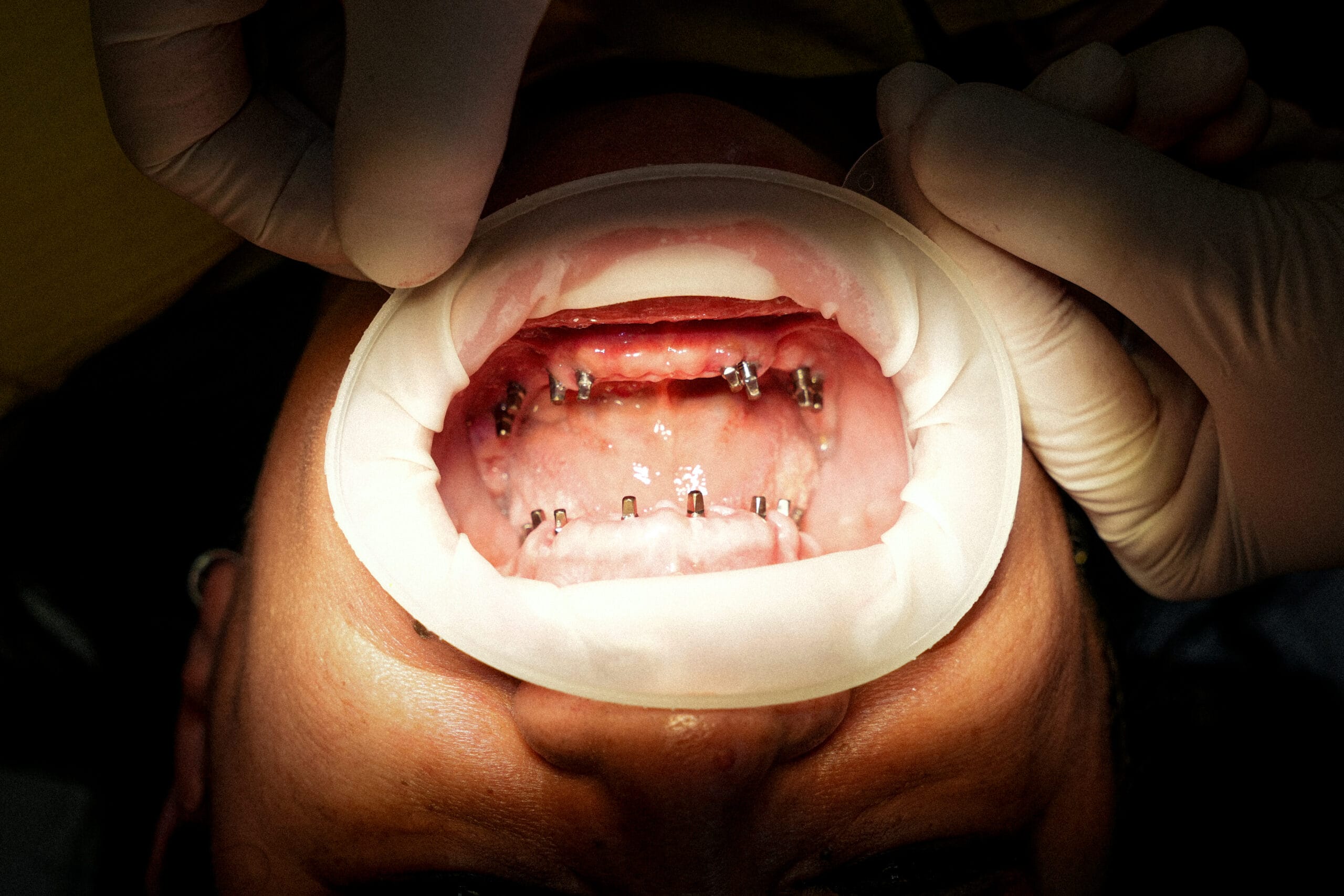
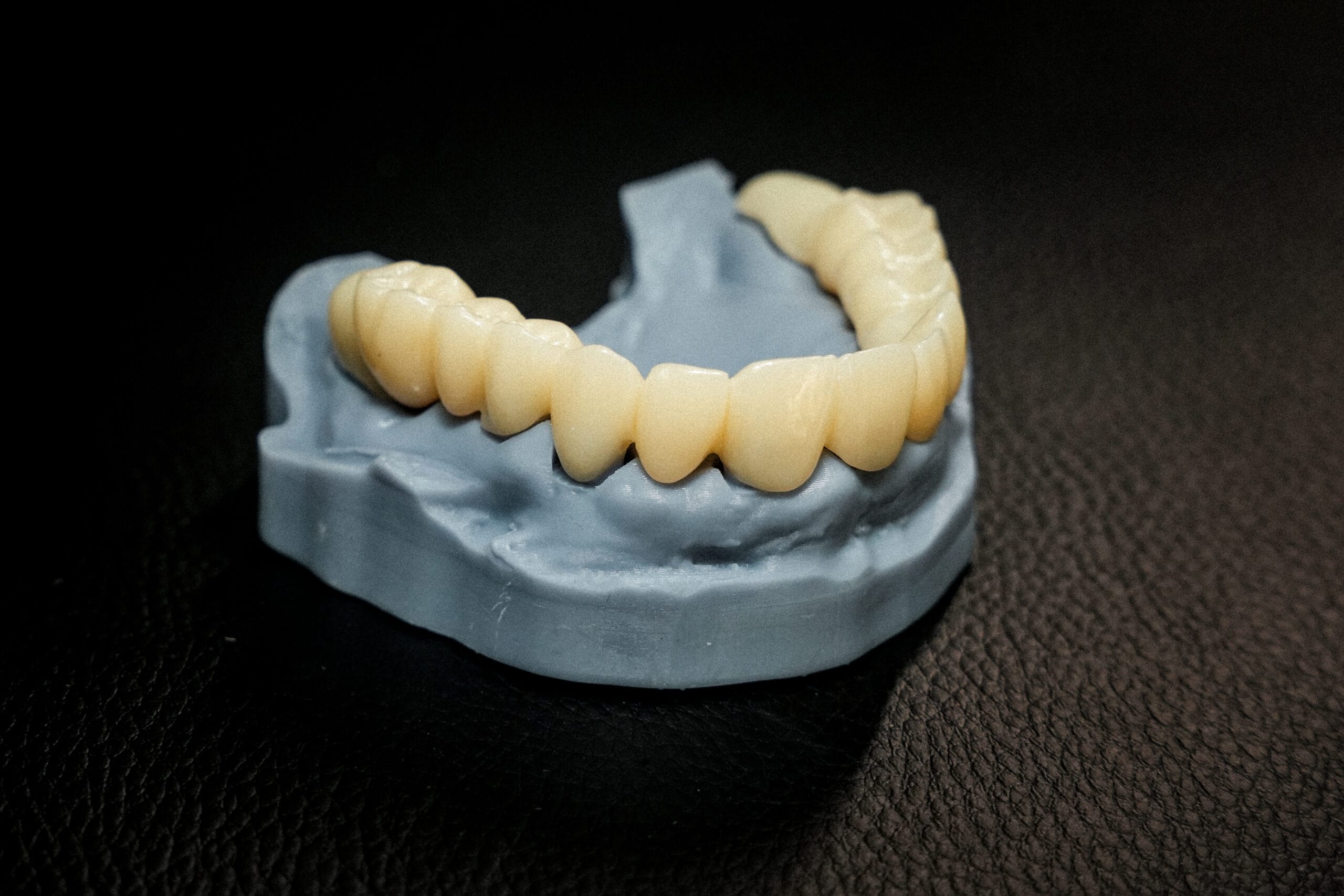
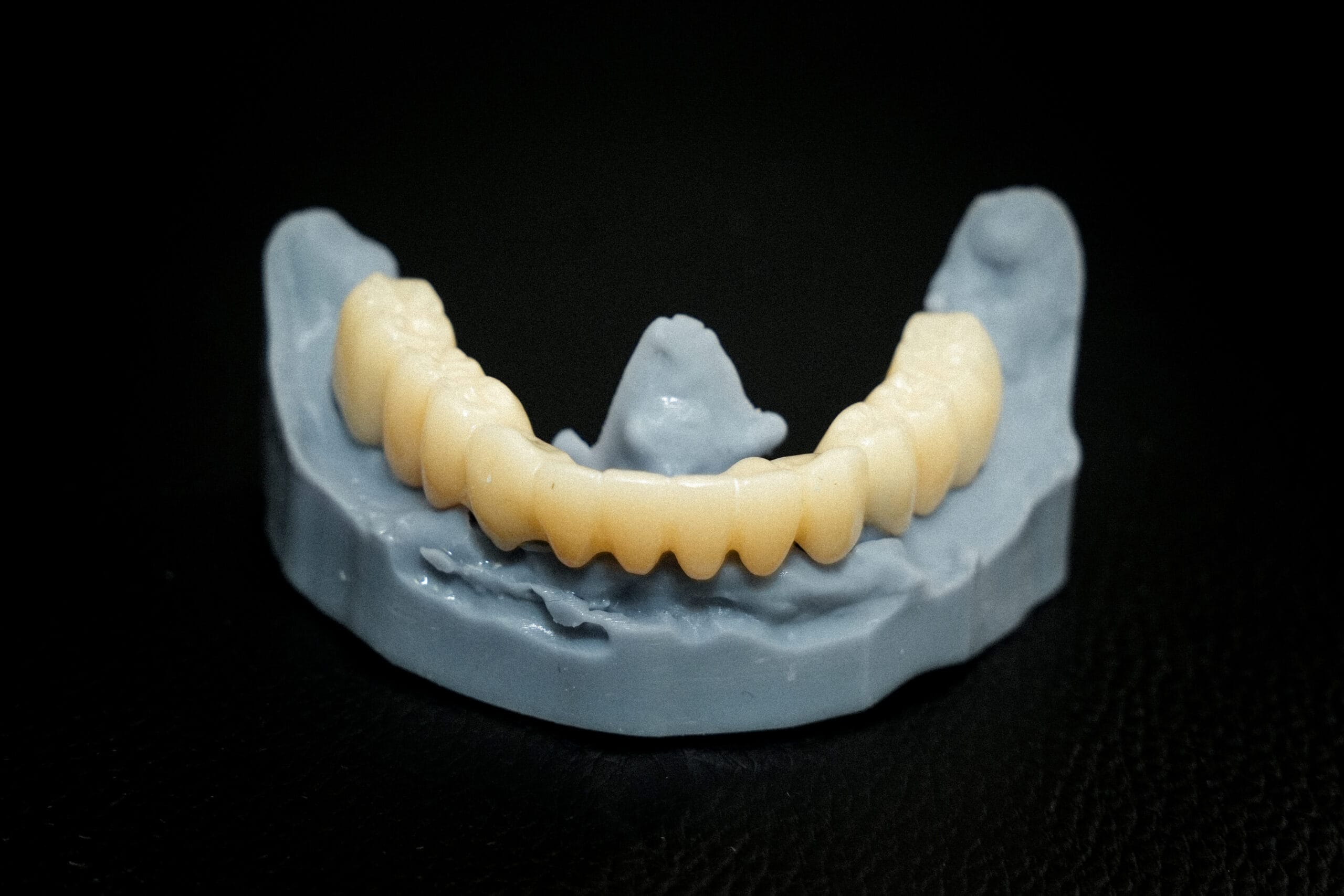
Case 3 · All-on-4 rehabilitation
This authorised case shows an All-on-4 treatment. The photographs compare the smile before and after treatment and provide closer clinical views. Prosthesis material, timing and procedures not documented for this case are not implied.
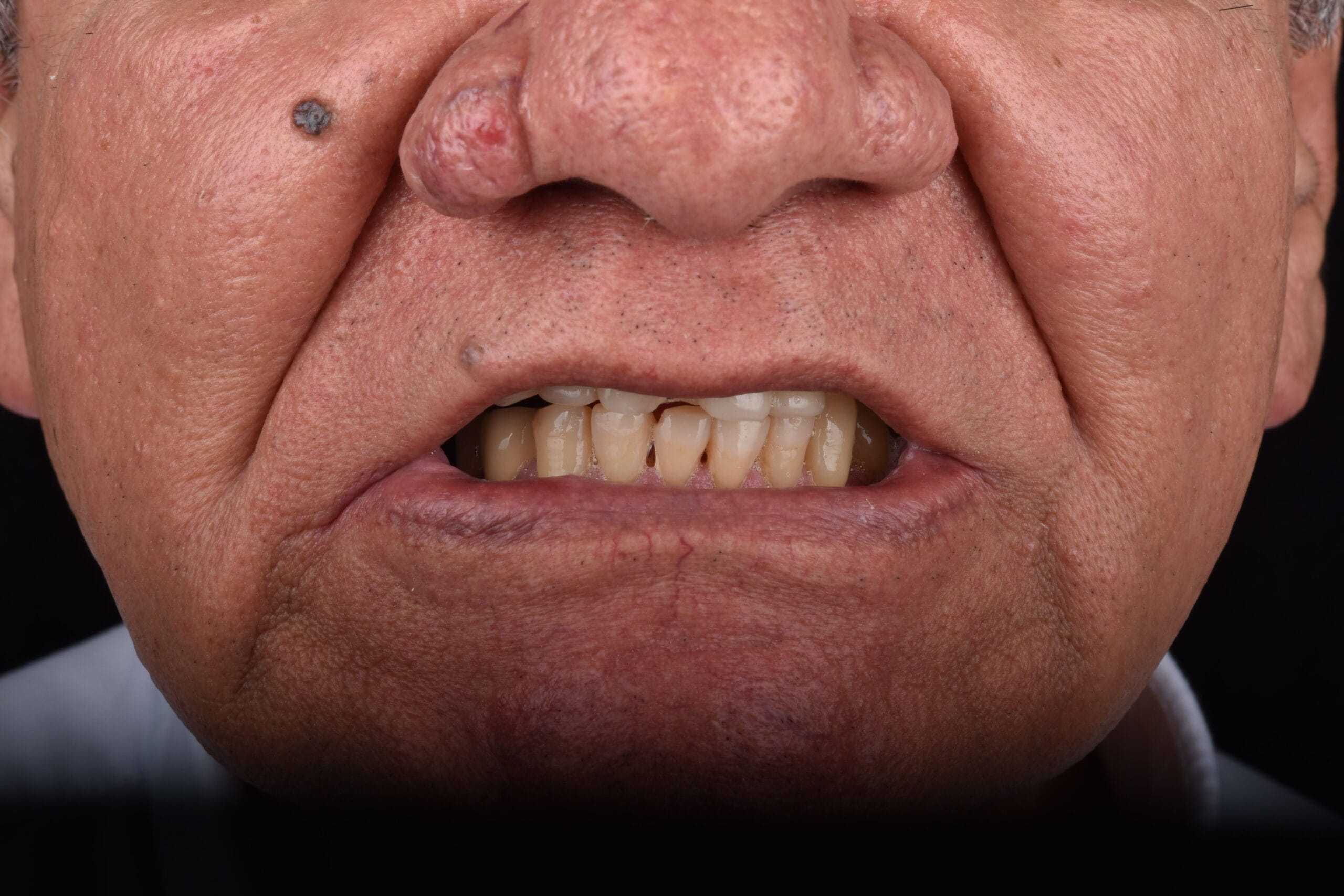
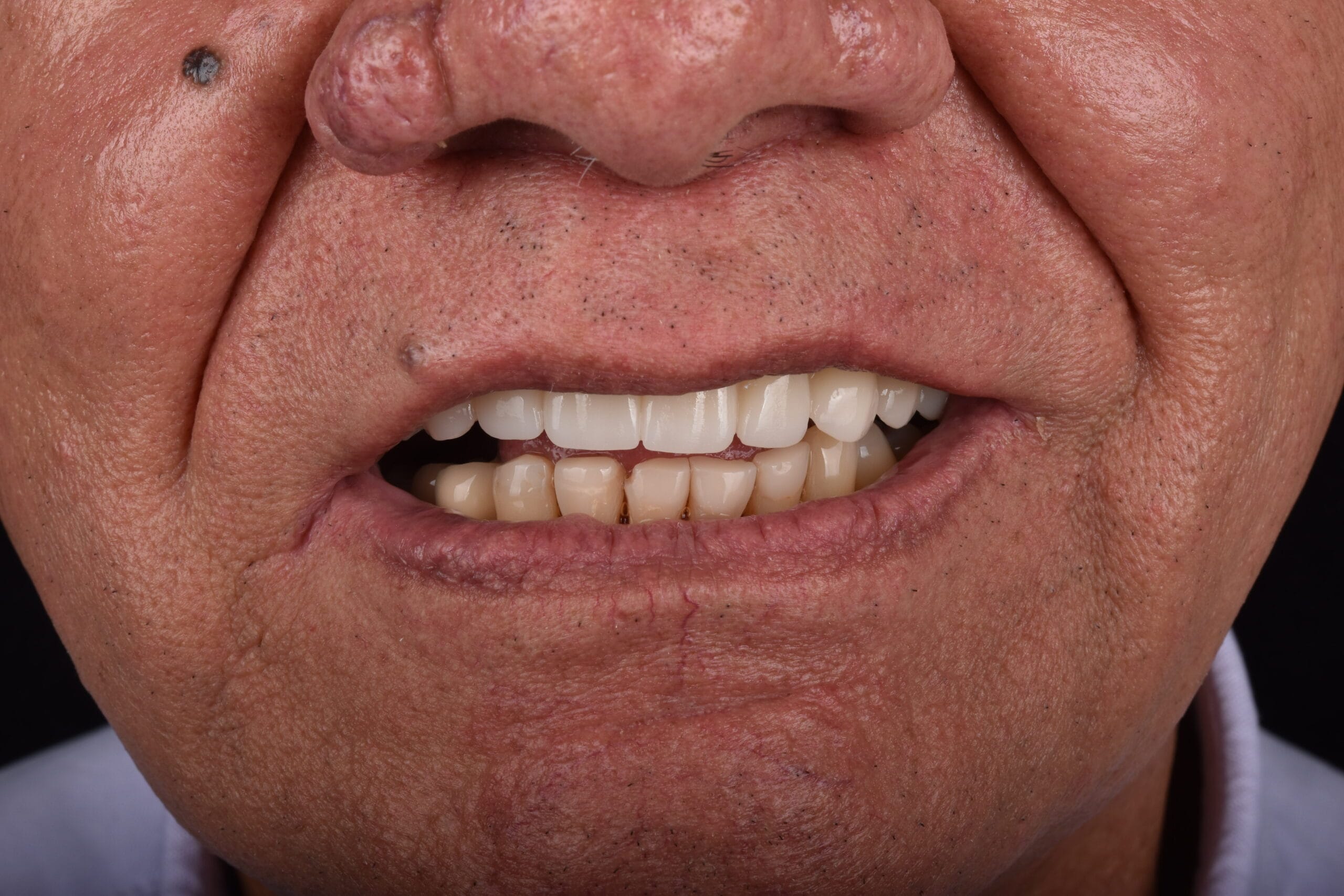
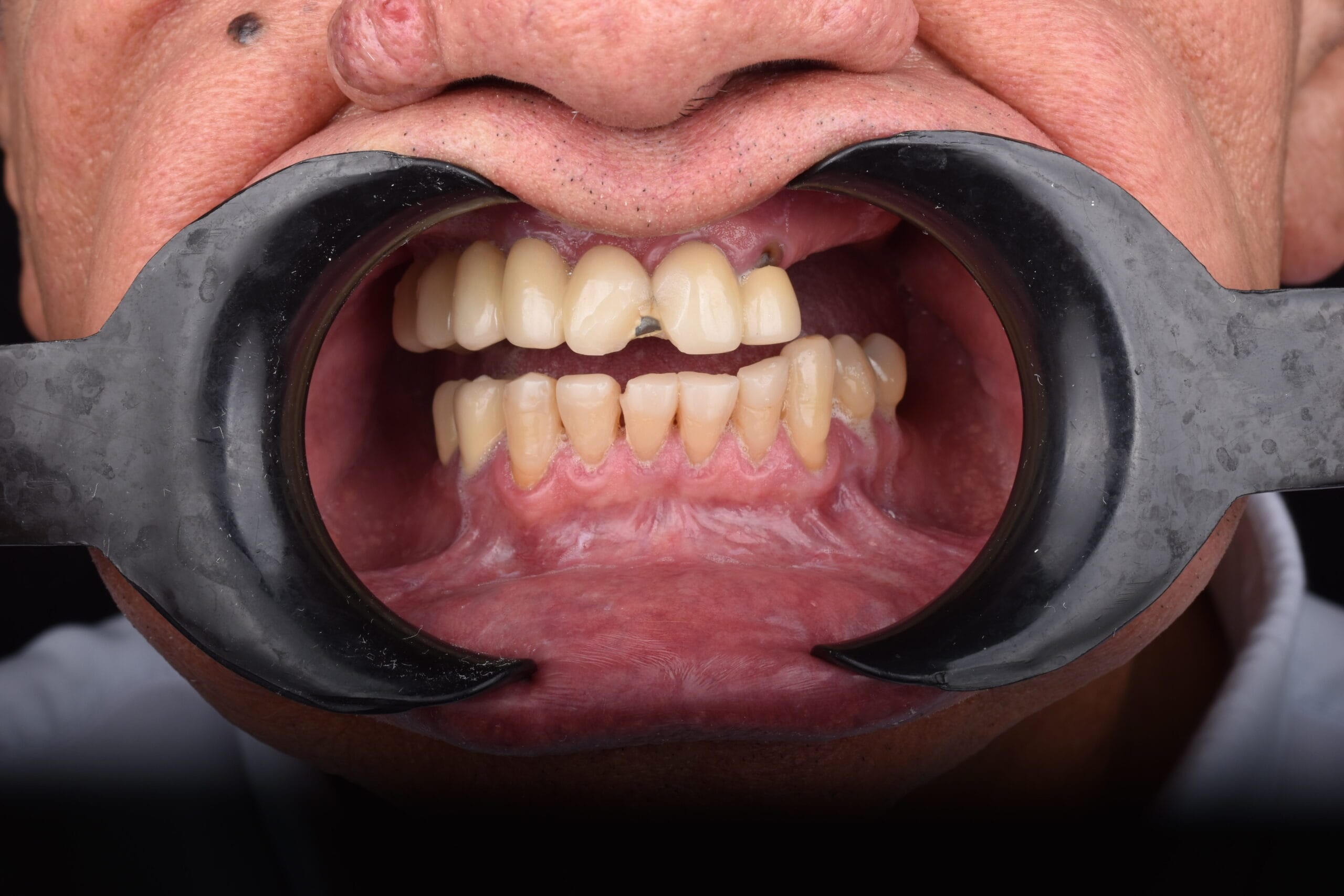
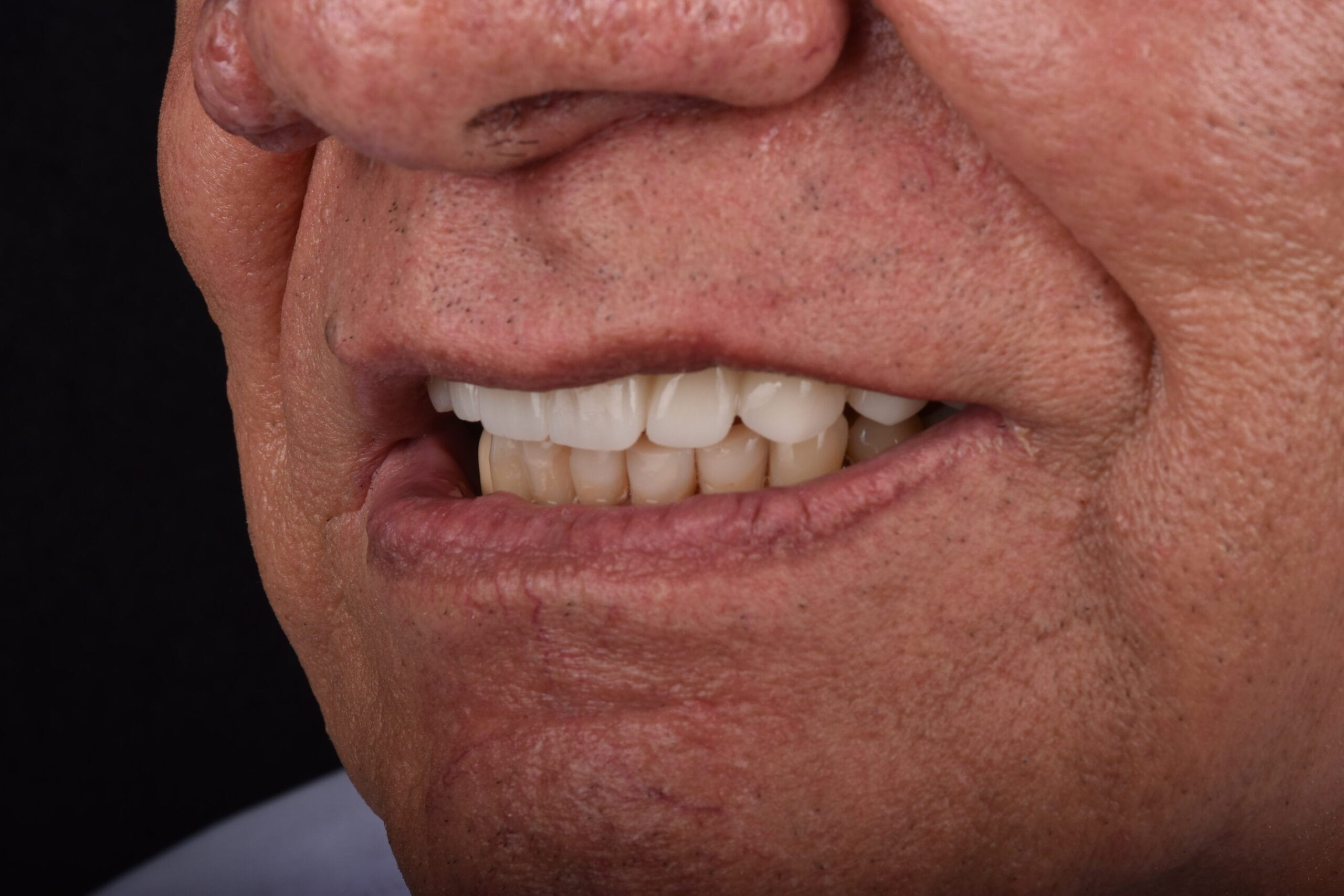
These are individual outcomes; they do not guarantee the same result or timeframe for another person.
Clinical case: before and after
Move the central slider to compare the initial condition with the result after rehabilitation.
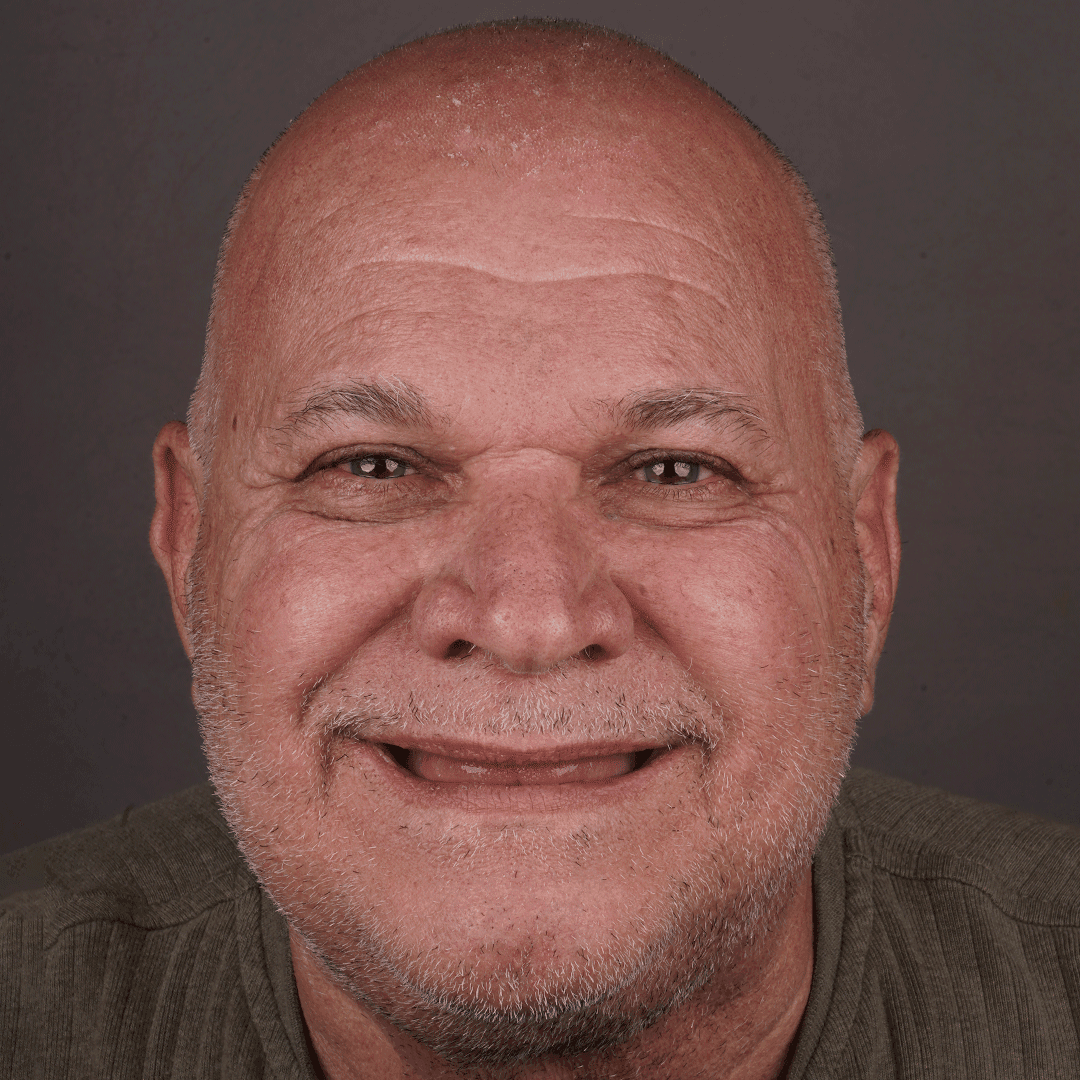
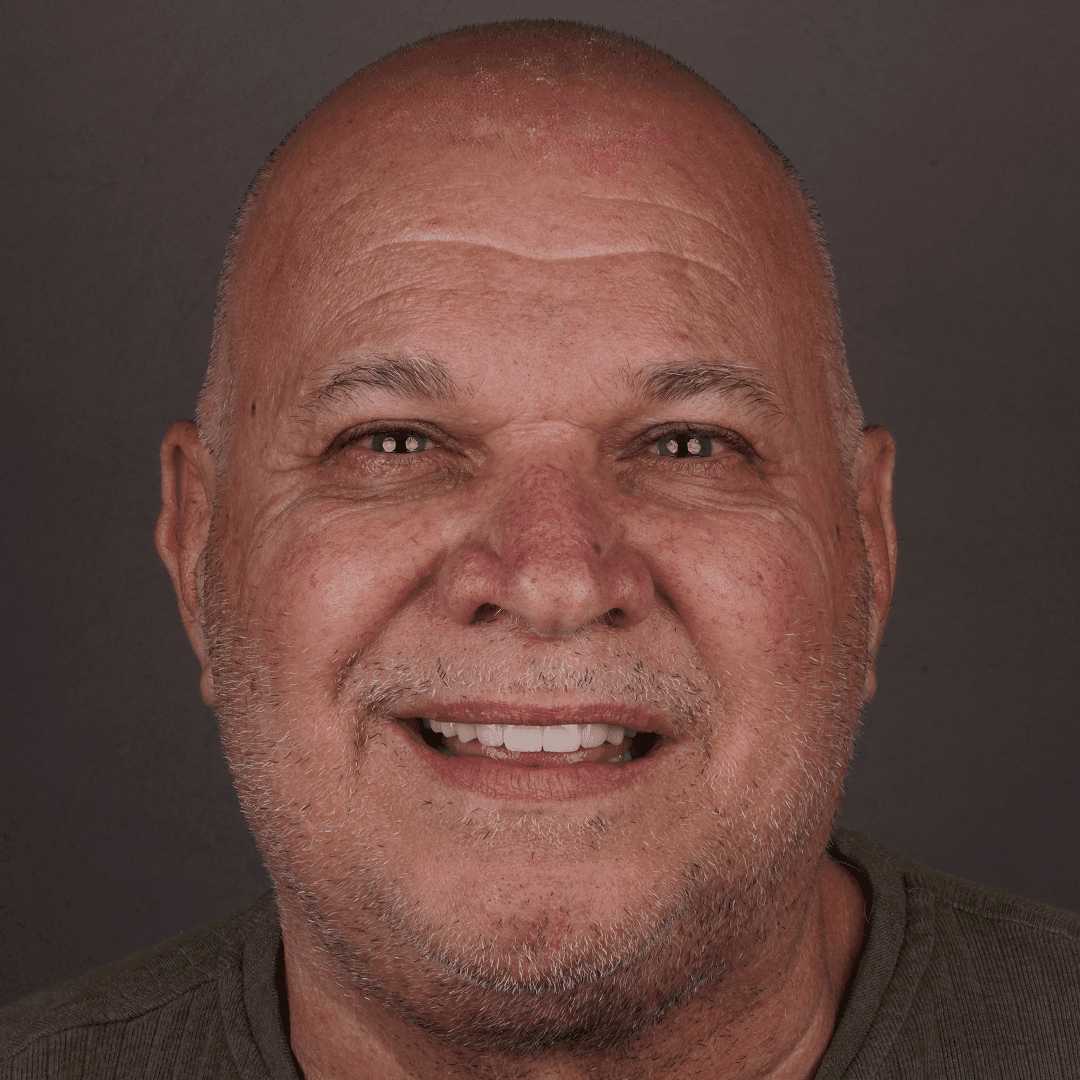
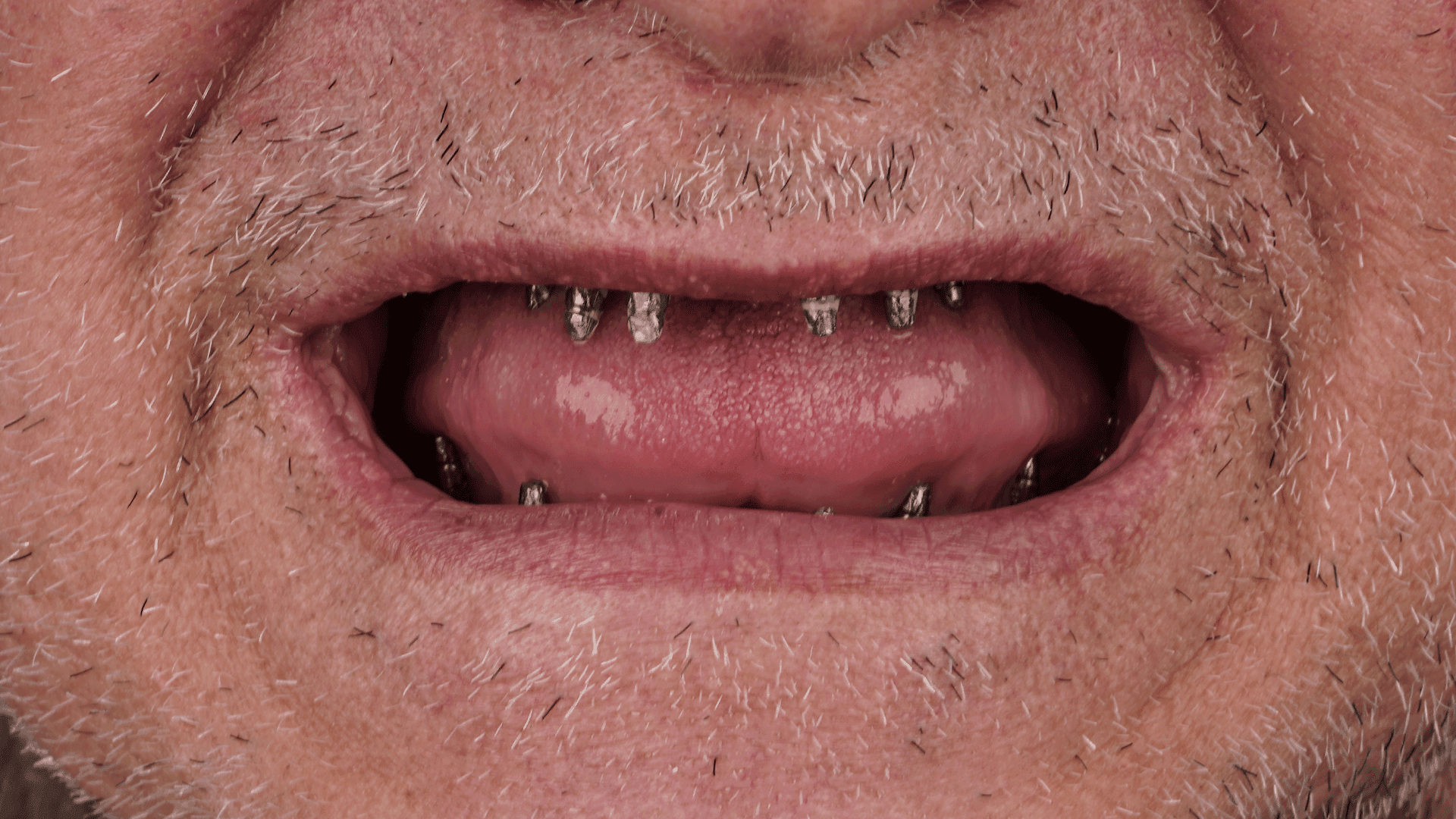
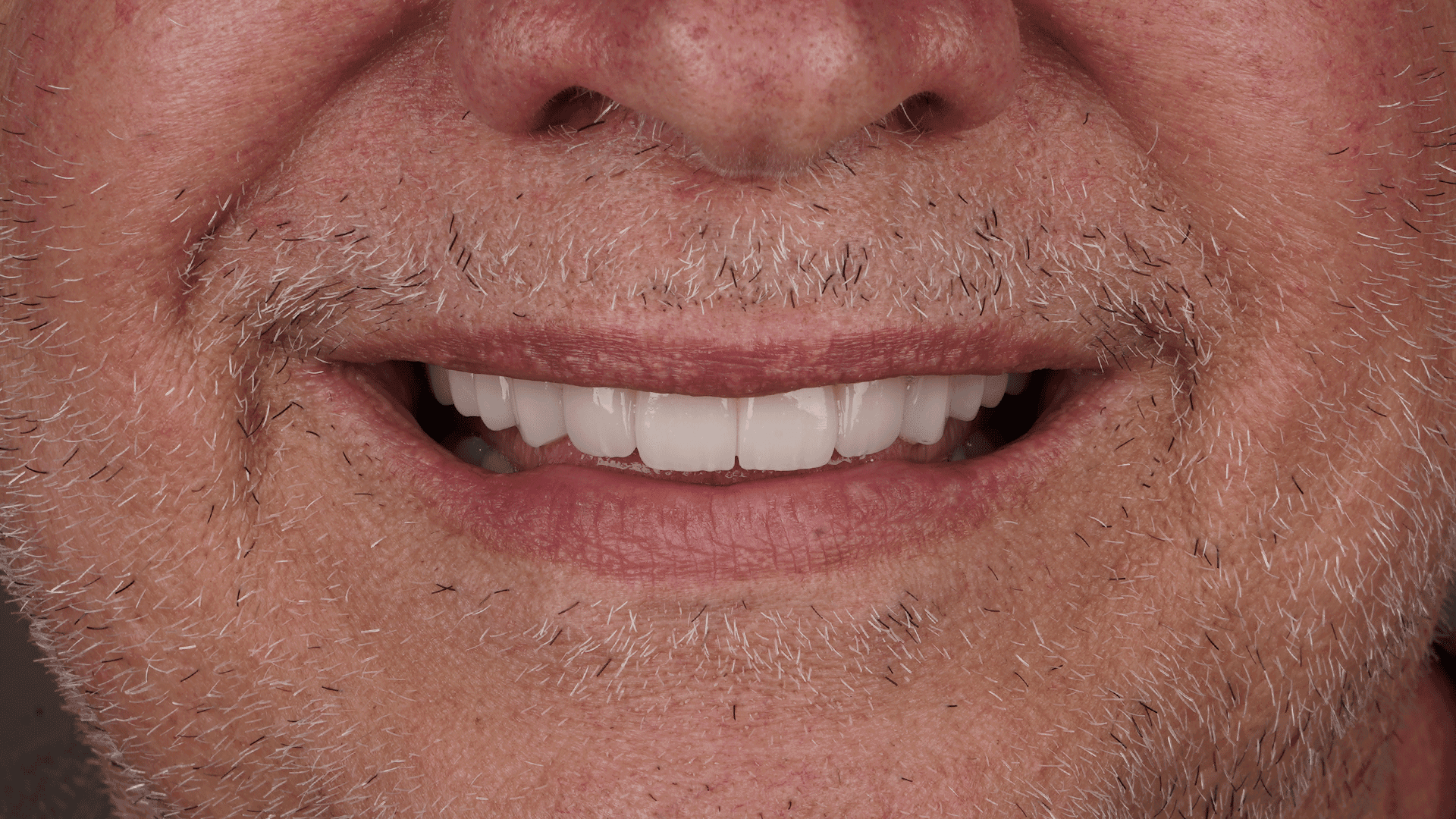
This case shows bimaxillary rehabilitation with strategic corticobasal implants and definitive zirconia prostheses. For this patient, the design and material provide a more aesthetic, natural-looking result. It is an individual outcome; final appearance depends on each patient’s assessment and treatment plan.
See more photos, videos, cases and testimonials (Spanish).
Additional views of the bimaxillary case with definitive zirconia
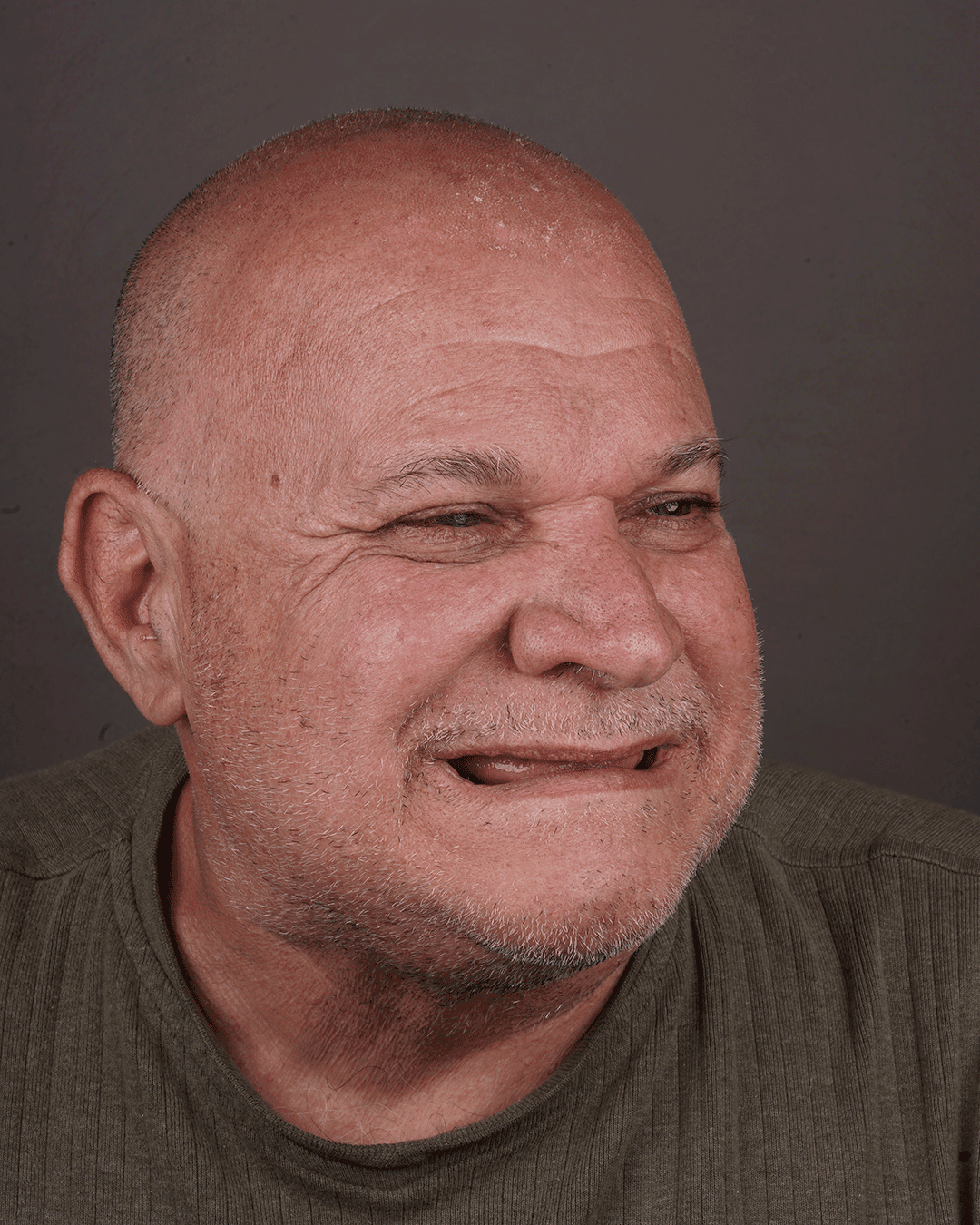
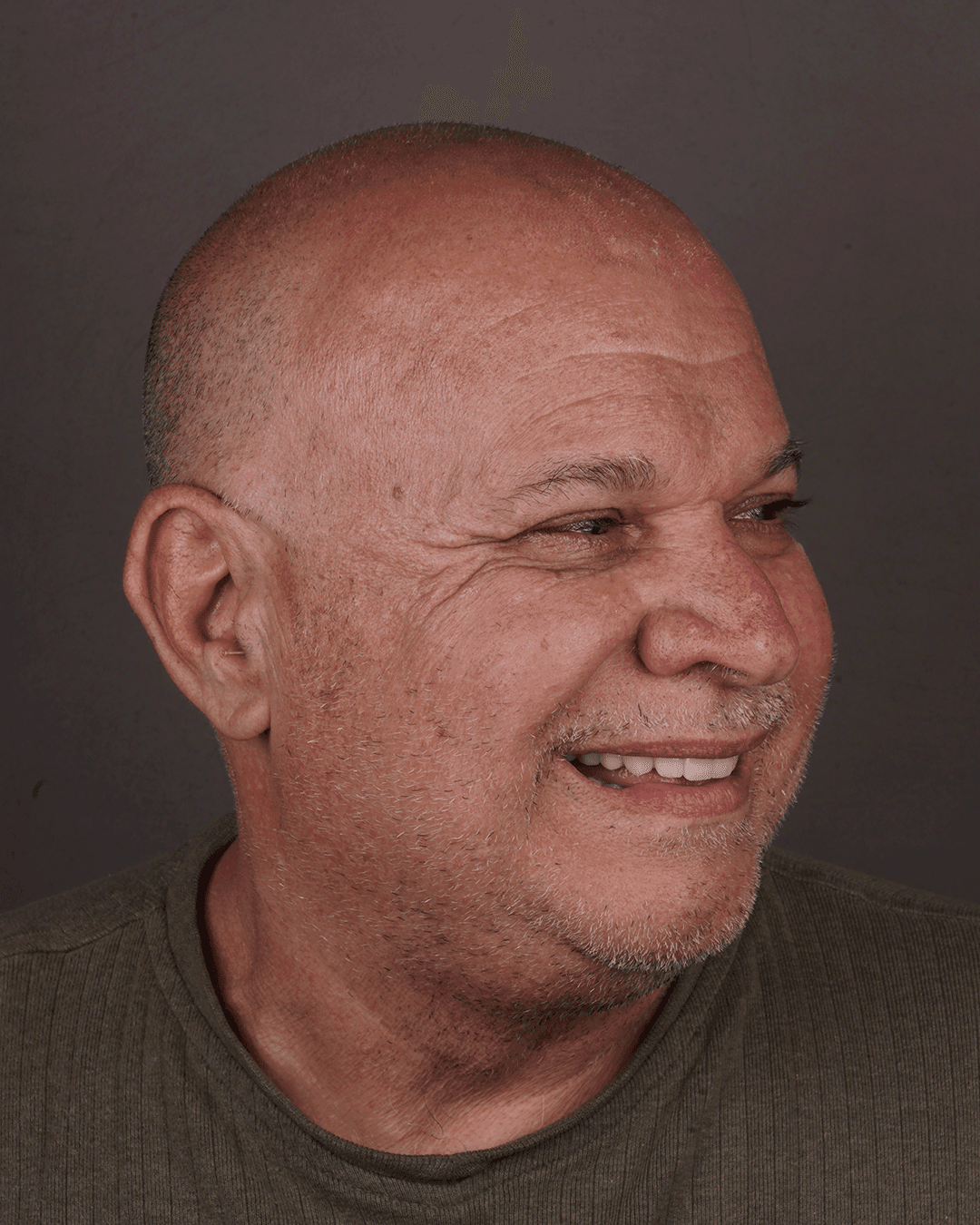
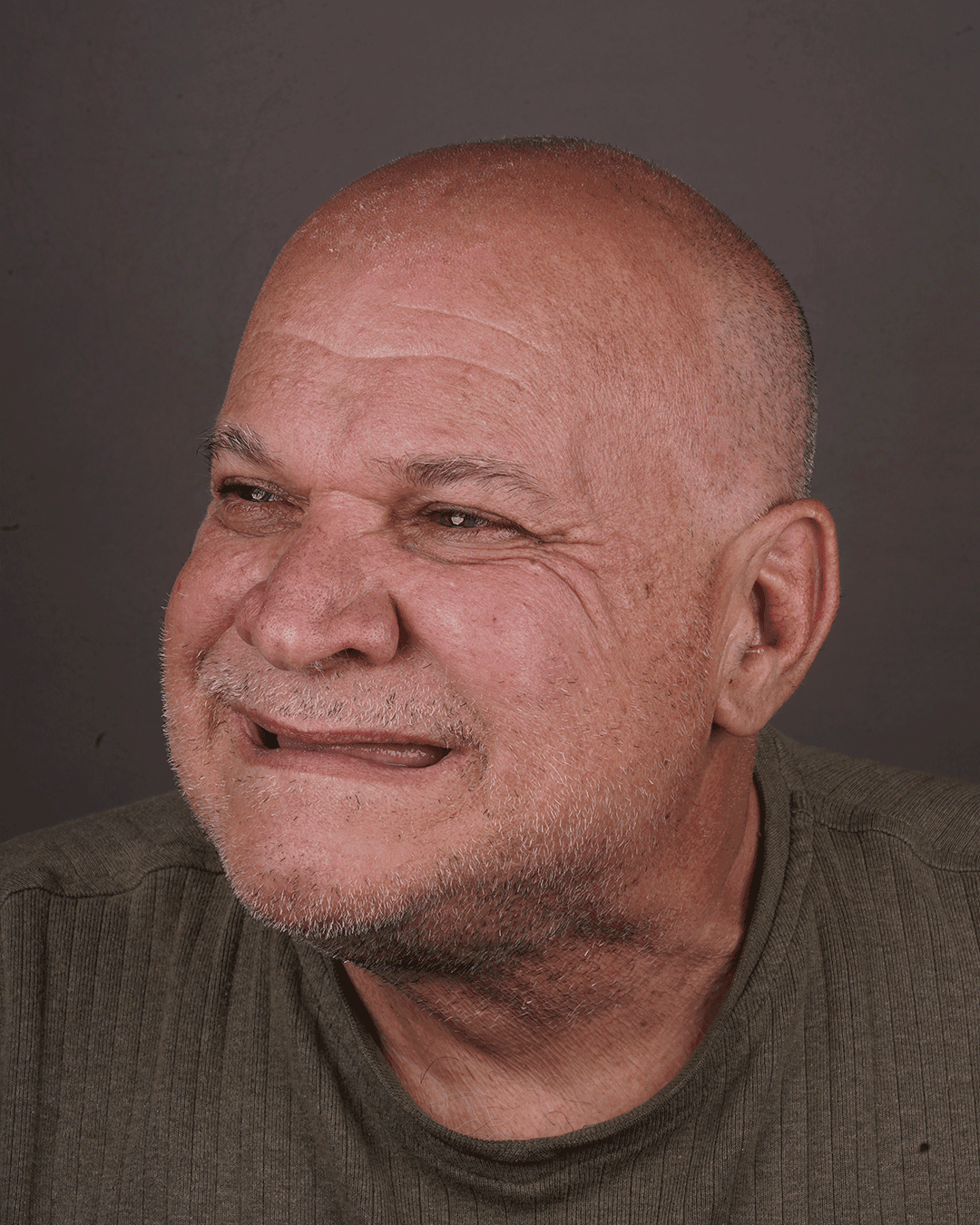
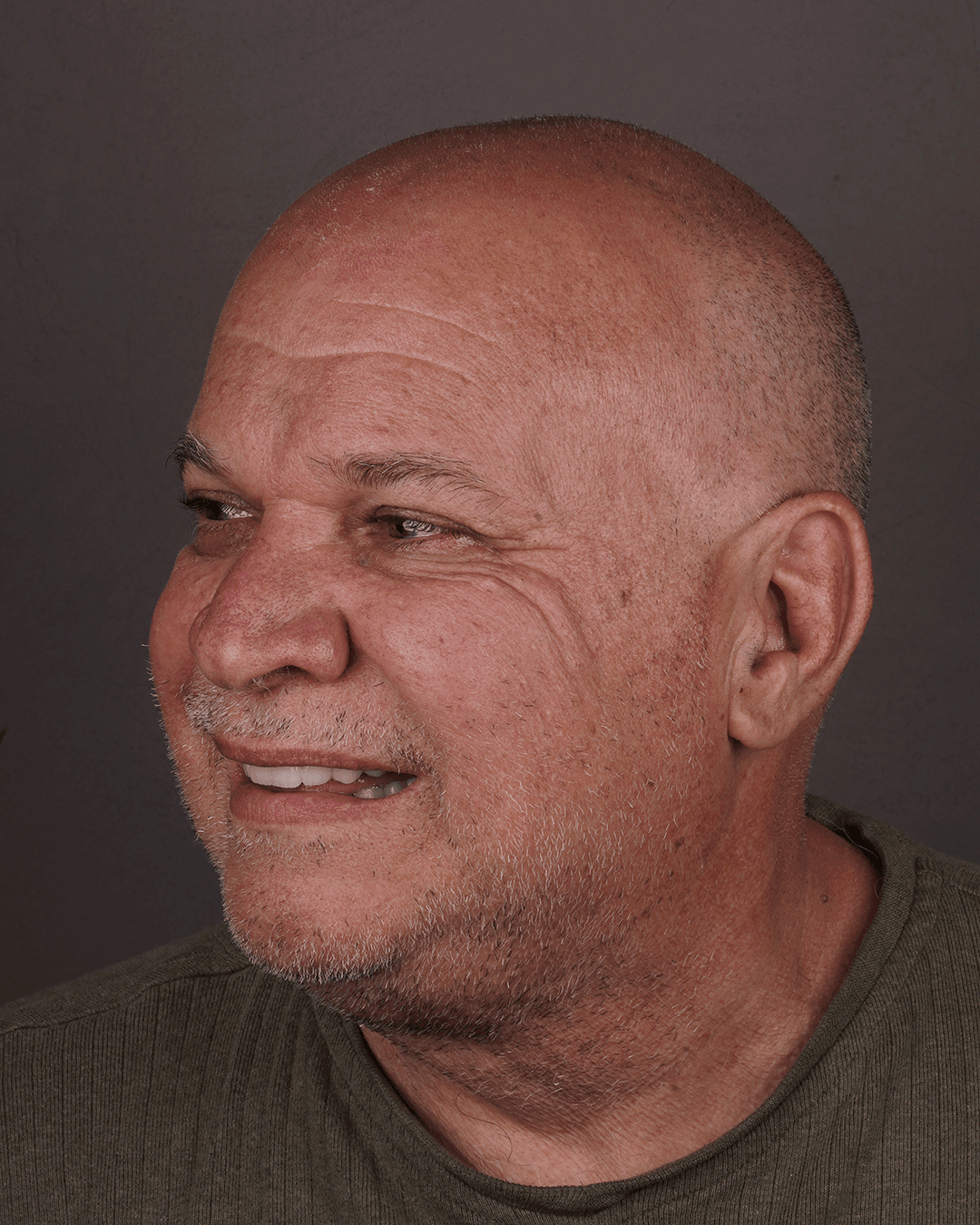
These photographs show the initial condition from two angles, matching views after rehabilitation, the implants before placement of the definitive prosthesis, and a close-up of the final smile. All images show the same patient as the comparison above.
Clinics in Colombia and travel planning
We can assess patients in Bogotá, Ibagué, Cali, Medellín, Barranquilla and Cartagena. Compare our Colombian clinic locations and confirm the team available at the location you choose. Other dental services are offered in Pereira, but strategic implant surgery is not performed there; patients interested in that technique can discuss assessment and travel to a city where it is available.
If you live abroad, share any existing X-rays or CT scans for preliminary guidance. Our team will explain the likely appointment sequence and follow-up before you book travel. A definitive plan and quotation require clinical assessment.
If you have X-rays, CT scans or photos, share them through the channels indicated by our team. They are not required to request initial guidance. Remote review does not replace in-person assessment. Before booking flights, confirm the city, specialist availability, appointments, expected stay, possible further travel and follow-up at home. Availability is checked by our team before an appointment is assigned.
Frequently asked questions about All-on-4, All-on-6 and travelling to Colombia
Does All-on-4 replace four teeth or a complete arch?
Four refers to the implants supporting a complete arch, not the number of teeth replaced. Treating the whole mouth requires separate assessment of the upper and lower arches.
Are All on four and All-on-4 the same?
Yes. These are different spellings of the same name. The same applies to All on six and All-on-6.
Is All-on-6 always better than All-on-4?
The choice depends on the diagnosis, implant distribution, bite and prosthesis design. Implant count alone does not determine the best treatment.
Do all my teeth need to be extracted?
If All-on-4 or All-on-6 is chosen for an arch, any remaining teeth in that arch are extracted and replaced with a fixed full-arch implant prosthesis. If teeth are better preserved, we assess other restorative options. Sometimes even potentially retainable teeth must be extracted for an appropriate bite and prosthetic design. The decision is explained and justified in your individual plan.
Can I have implants if I have limited bone?
You need an individual assessment and appropriate imaging. Different options may be considered, including strategic implants or, in certain upper-jaw cases, zygomatic implants. Not every option suits every patient.
Are bone grafts always necessary?
This depends on your anatomy and treatment. Some plans include bone regeneration; others may avoid preliminary grafts when indicated. The name All-on-4 alone does not confirm eligibility for graft-free treatment.
Are strategic implants the same as All-on-4?
They are different approaches, with differences in anchorage, implant count and rehabilitation protocol. Assessment allows comparison of the options suitable for your case.
Is the prosthesis fitted within 48–72 hours the definitive one?
It depends on the chosen material. With strategic acrylic, the fixed acrylic prosthesis is delivered directly, without interim PMMA. With strategic zirconia, PMMA is fitted first; definitive zirconia is made from 8 months onward after tissue changes are assessed.
Can I treat only the upper or lower arch?
Yes, when that is the identified need. If both require treatment, each needs its own planning and quotation.
Can a fixed prosthesis be removed?
Patients do not normally remove it themselves. A clinician may remove it when the design allows and there is a clinical reason.
How much do All-on-4 and All-on-6 cost in Colombia?
Cost depends on the arches treated, surgery, implants, material and prosthetic stages. Request an itemised estimate distinguishing the initial and definitive prostheses, follow-up and additional procedures. See our international implant-cost guide and request an individual assessment.
Does a full-mouth price include both arches?
Only if the quotation expressly says so. Confirm whether it covers the upper arch, the lower arch or both, and all planned treatment stages.
Can I request preliminary guidance from the United States, Canada, Europe or another country?
Yes. Contact our team and share the information you have for preliminary guidance. Remote review does not replace an in-person diagnosis or confirm surgery on its own.
Do I need X-rays to ask for information?
They are not required to start the conversation. Existing X-rays, CT scans or photos can help us review your request. Our team will explain which investigations are needed to proceed.
How many days should I stay in Colombia?
For strategic treatment, allow 7–10 days per visit: usually one visit with acrylic and two with zirconia. Conventional treatment with grafting before implants may require three visits lasting around 7–15, 5–7 and 10 days; if grafts and implants can be completed during the first surgery, it is usually two visits. Confirm your written schedule before booking flights.
Will I need a second trip for the definitive prosthesis?
Strategic acrylic is usually completed in one visit. Strategic zirconia requires a second visit from 8 months onward for the definitive prosthesis. Conventional treatment generally requires a second visit after implant healing and may require a third if grafts must be completed first.
Should I book flights before confirming treatment?
It is advisable to coordinate assessment and specialist availability first. Preliminary guidance does not guarantee suitability for treatment or a surgery date.
Which Colombian city can I visit for treatment?
Assessment options are available in Ibagué, Bogotá, Cali, Medellín, Barranquilla, Cartagena and Pereira. Our team confirms specialist and treatment availability at your chosen clinic. Strategic implant surgery is not performed in Pereira.
Does the quotation include flights, accommodation and transport?
Do not assume these are included. Ask for any additional services to be itemised. Travel and accommodation should be budgeted separately unless explicitly included in your quotation.
How do I continue follow-up after returning home?
Before starting, agree with our team on the required reviews, when to return and how to contact us if difficulties arise. Remote guidance does not replace an in-person examination when needed.
What should I compare when choosing an All-on-4 clinic in Colombia?
Check who will perform surgery and rehabilitation, the diagnosis, alternatives, stages, materials and complete quotation. Ask about maintenance and management of complications. Testimonials describe individual experiences and do not guarantee outcomes.
Can I have treatment if I have diabetes or take medication?
Tell the team about your medical history and all medicines. Their implications must be reviewed before surgery is recommended. Do not stop prescribed medication on your own.
Will my implants last a lifetime?
This cannot be guaranteed. Outcomes depend on your case, cleaning, follow-up and other factors. Implants and prostheses may require maintenance, repairs or further treatment.
What if I have a complication after travelling home?
Before treatment, request follow-up instructions and contact details. If a difficulty occurs, contact the team to establish whether an in-person examination is needed. Do not attempt to adjust the prosthesis yourself.
Request an assessment
Tell us whether you need one arch or both, where you are travelling from, and whether you have recent imaging. Contact our team to discuss your case.
Clinical references
- ITI: number of implants for full-arch fixed prostheses.
- ITI: loading protocols for fixed prostheses.
- Technique-specific consensus on corticobasal implants. This is guidance from practitioners of the technique, not an independent head-to-head comparison of all implant systems.
All-on-4 and All-on-6: information by city
Explore local information about assessments, clinic locations and full-mouth treatment planning. Your treatment, clinical team and schedule are confirmed after diagnosis.
Contact us to discuss your case and treatment
Tell us about your needs and preferred city. Our team will contact you to arrange your consultation.
Follow our social media and get to know us

Clinical team
Dra Johanna Calderón
Periodontics and dental implants specialist. Our clinical team provides comprehensive care: dental implants, periodontics, smile design, root canal treatment and general dentistry.
We care for patients from Colombia and abroad and explain an individual plan based on their diagnosis.
All-on-4, All-on-6 and full-mouth dental implants at our clinics
Request an individual assessment for All-on-4, All-on-6 and full-mouth dental implants at our Colombian clinics. Choose your location to see its address and clinical team and request an appointment. Treatment is planned after clinical assessment.