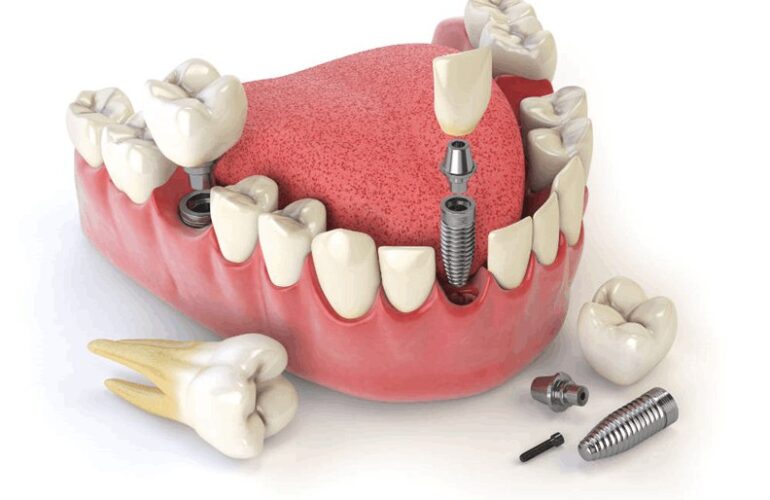

Oral Surgery
Oral surgery is a specialty of dentistry that focuses on the diagnosis and treatment of problems related to the mouth, jaw, and facial structures. Surgical procedures performed in this specialty can range from simple tooth extractions to complex surgical interventions. In this article, the most common surgical procedures in dental surgery, their characteristics, and benefits will be described.
Tooth extraction
Tooth extraction is a surgical procedure performed to remove a tooth from the gum. This procedure is carried out when the tooth is damaged, infected, or cannot be repaired. Tooth extraction is performed under local anesthesia and may require the administration of sedatives for patients with anxiety. After the procedure, some side effects may be experienced, such as pain, soreness, and bleeding. It is important to follow the dentist’s instructions for a proper recovery.
Gum surgery or gingivectomy
Gum surgery is a procedure performed to treat advanced periodontal disease. This procedure is performed to remove plaque and tartar from beneath the gum line and to repair damaged tissues. Gum surgery is performed under local anesthesia and may require sedation for patients with anxiety. Some side effects may be experienced after the procedure, including pain, soreness, and bleeding. It is important to follow the dentist’s instructions for a proper recovery.
Orthognathic surgery
Orthognathic surgery is a procedure performed to correct bite and jaw problems. This procedure is performed to reposition the jaw and teeth to improve function and aesthetics. Orthognathic surgery is performed under general anesthesia and may require a one- or two-day hospital stay. After the procedure, some side effects may be experienced, such as pain, soreness, and bleeding. It is important to follow your dentist’s instructions for a proper recovery.
Frenulum surgery or Frenillectomy
Frenulum surgery is a procedure performed to correct speech and feeding problems caused by a short lingual or labial frenulum. This procedure is performed to cut the frenulum and allow for greater mobility of the tongue or lip. Frenulum surgery is performed under local anesthesia and may require the administration of sedatives for patients with anxiety. After the procedure, some side effects may be experienced, such as pain, soreness, and bleeding. It is important to follow the dentist’s instructions for a proper recovery.
Bone reconstruction surgery:
Bone reconstruction surgery is a procedure performed to rebuild the jawbone or maxilla after an injury or illness. This procedure is performed to restore the function and aesthetics of the mouth and jaw. Bone reconstruction surgery is performed under general anesthesia and may require a hospital stay of several days. Some side effects may be experienced after the procedure, such as pain, soreness, and bleeding. It is important to follow your dentist’s instructions for a proper recovery.
In conclusion, dental surgery is a specialty of dentistry that focuses on the diagnosis and treatment of problems related to the mouth, jaw, and facial structures. Surgical procedures performed in this specialty can range from simple tooth extractions to complex surgical interventions. It is important to follow the dentist’s instructions for proper recovery after any surgical procedure.
Oral surgery at our locations
We offer oral surgery across our locations in Colombia. The indicated procedure, treating clinician and scheduling are confirmed after a clinical assessment.
Ibagué
Bogotá
- Dental clinic in Bogotá, Dalí Medical Center
- Chapinero Clinic Medical Unit 48
- Usaquén Dental Clinic – El Bosque Building
- Dental Clinic Bogotá North Access Building
- Dental Clinic Chicó Medical Center 99
- Dental Clinic Forma 97 Building
- North Dental Clinic – Cedritos
Cali
Medellín
Barranquilla
Cartagena
Pereira
Our specialists

Dra. Johanna Calderón

Dr. Edson Cortes Triana