
Periodontics in Ibagué, Bogotá, Cali, Medellín, Colombia
It is the branch of dentistry that deals with diseases that affect the supporting structures of the teeth. These include the gums, the periodontium, which is the set of tissues that support the teeth, and the alveolar bone, which houses and supports the teeth in the alveoli.
Periodontal treatments are performed to prevent or treat gum recession and bone loss, and to prevent tooth loss. They also help remove dental tartar and prevent bleeding gums.
Periodontist
A periodontist is a dentist who specializes in the prevention, diagnosis, and treatment of diseases affecting the gums and supporting tissues of the teeth. These specialists treat periodontal conditions and perform surgical procedures to maintain oral health. With advanced training, periodontists use specialized techniques to improve gum health, ensure dental stability, enhance smile aesthetics, and support the longevity of teeth and dental implants.
Periodontal Diseases
An imbalance in the bacteria that inhabit the mouth and the accumulation of bacterial plaque can cause inflammation and bleeding of the gums and lead to periodontal diseases (because they affect the periodontium, the tissue that supports the tooth). These conditions can range from milder forms such as gingivitis to more severe forms such as periodontitis.
Gingivitis:
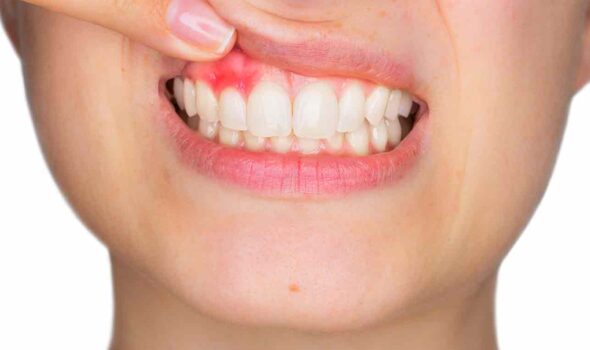
- It is a reversible inflammatory reaction of the gums and the most common form of periodontal disease. It involves inflammation and infection that damage the supporting tissues of the teeth, including the gums, periodontal ligaments, and dental alveoli (alveolar bone). If gingivitis is not treated, it can progress to periodontitis.
Periodontitis:
- It is an inflammation and infection of the ligaments and bones that support the teeth. Periodontitis occurs when a gum infection (gingivitis) is not treated. Although not every case of gingivitis progresses to periodontitis, periodontitis begins with gingival inflammation. This disease can cause changes in gum color, texture, and shape, as well as bleeding or gum recession with exposure of the tooth root. Inflammation can form pockets in the gums that fill with plaque, eventually damaging the tissues and bone around the tooth. Periodontitis is a major cause of tooth loss in adults.
With the development of implant dentistry, periodontics is also responsible for preventing and treating peri-implant diseases, which involve inflammation and infection of the tissues that support dental implants.
Causes of periodontal disease
The appearance and progression of periodontal diseases depend on the following causes:
- Bacteria: Plaque is a sticky material made up of bacteria, mucus, and food debris that accumulates on the outer surfaces of the teeth. Its long-term effects include inflammation or infection of the gums, one of the main causes of periodontal disease.
- Aggravating factors: Several factors can aggravate periodontal disease, including tobacco use and conditions such as diabetes. Research indicates that people with diabetes are more likely to develop periodontitis than people without diabetes.
Dental implants
Emergency Care
Dental Cleaning
What types of periodontal treatments are available?
Periodontics includes different treatments depending on the severity and type of the patient’s condition. Periodontal treatments include:
Surgical periodontal treatments:
Some periodontal treatments require surgical intervention. These include treatment for gum recession. A gum graft can repair the defect and help prevent further recession and bone loss. This treatment can also reduce tooth sensitivity and improve aesthetics.
In some cases, the gum covers too much of the teeth. A surgical crown-lengthening procedure may then be performed, removing excess gum tissue and exposing more of the tooth crown.
In general, there is a wide variety of surgical and non-surgical treatments to keep gums and teeth healthy. However, all require routine oral hygiene at home and regular clinical check-ups to achieve the desired results.
For proper hygiene, it is recommended to brush your teeth at least twice a day for two minutes, morning and night, and floss once a day. It is also advisable to have a professional dental cleaning at least once or twice a year.
Non-surgical periodontal treatment:
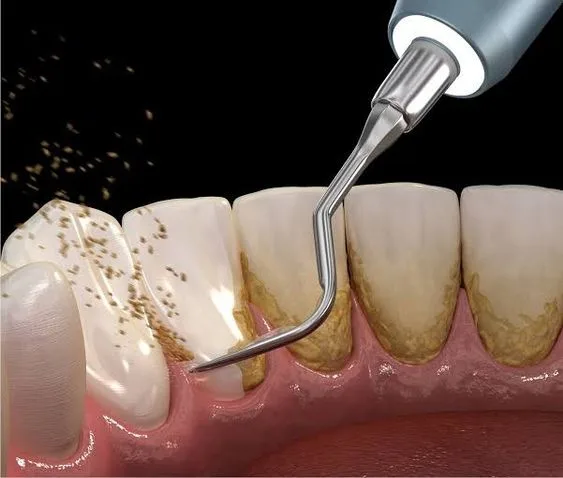
Among periodontal treatments that do not require surgery, the most common is scaling and root planing. It consists of carefully cleaning the root surfaces to remove accumulated plaque and tartar from periodontal pockets.
When this treatment cannot be performed routinely because the periodontal pockets are too deep and make daily oral hygiene difficult, surgical pocket reduction may be required in addition to cleaning.
Phases of periodontal treatment
Many people who have conditions requiring periodontal treatment are unaware of them. This is often the case with gingivitis, a reversible inflammation of the gum tissue around the teeth that is usually painless and may cause only mild symptoms.
Gingivitis can be prevented and reversed with good oral hygiene and with the help of professionals such as periodontists and hygienists, who can remove tartar that causes gum irritation. Oral-health habits such as brushing, flossing, and using mouthwash can help prevent tartar buildup and therefore gingivitis.
If left untreated, gingivitis can progress to periodontitis. Healthy habits and regular dental visits can improve the chances of successful treatment.
When periodontitis develops, treatment is performed to clean the pockets around the teeth and prevent damage to the surrounding bone. When periodontitis is not very advanced, minimally invasive treatments may include:
Scaling and root planing:
To remove tartar and bacteria from the tooth surfaces and below the gums. This can be performed using manual instruments such as curettes or with an ultrasonic device or laser.
When periodontitis is advanced, surgical treatment may be necessary. Some of these treatments include:
Flap surgery
Soft tissue grafts
Bone grafts
Guided tissue regeneration
These techniques allow tartar to be removed more effectively and help restore lost soft tissues (gums) and hard tissues (bone).
The stages of treatment depend on the progression of the disease. In its earliest stage, it can be prevented and completely reversed. The more advanced the disease, the more invasive the treatment may need to be.
Benefits of periodontal treatment
Although many dental treatments provide aesthetic benefits, periodontal treatment primarily addresses oral-health problems while also offering aesthetic benefits.
The main advantages of periodontal treatments are:
To achieve these benefits, proper treatment should be accompanied by good dental hygiene and regular visits to a specialist for appropriate check-ups.
Our Specialists
Welcome to our site
Dr Angela Giraldo
Dr Darwin Vergara
Dr Fernando Barrios

Author
Dra Johanna Calderón
Specialist in periodontics and dental implants. Our clinic has a multidisciplinary team of specialists providing comprehensive care in dental implants, periodontics, smile design, endodontics, and general dentistry.
We serve national and international patients and guide you with a clear treatment plan based on your diagnosis (bone, gums, bite, and the area to be rehabilitated).
Last updated: 01/01/2026.