All-on-4 and All-on-6 dental implants in Colombia: full-arch and full-mouth options

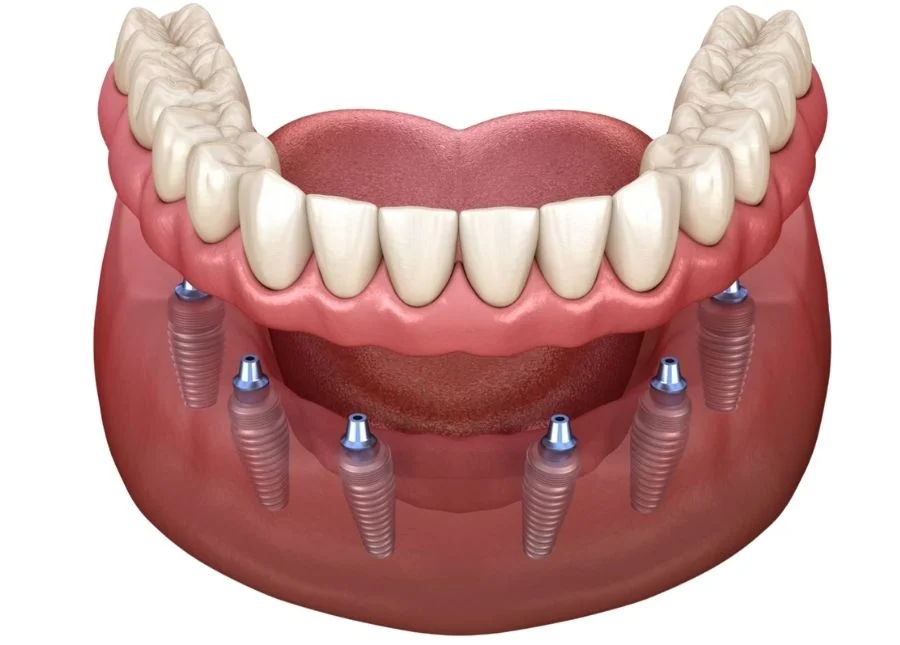
Patients searching for All-on-4, All-on-6, or full-mouth dental implants in Colombia are often looking for a fixed alternative to removable dentures. All-on-4 refers to a full-arch prosthesis supported by four implants; All-on-6 uses six implants. “Full mouth” usually refers to treatment of both arches. The number and position of implants are planned for each patient after a clinical examination and three-dimensional imaging, rather than chosen solely by the prosthesis material.
Our team can assess conventional full-arch implant treatment and, when appropriate, strategic implantology for patients seeking fixed teeth without additional bone-grafting surgery under that protocol. The timing and type of prosthesis depend on the diagnosis. A fixed initial prosthesis may be possible within approximately 48–72 hours in selected strategic-implant cases; this is not a promise of a definitive prosthesis or a suitable plan for every patient.
If you are ready to discuss treatment for one or both arches, explore our full-mouth dental implant service in Colombia. It explains how we compare All-on-4, All-on-6 and strategic options and how to request an assessment.
All-on-4, All-on-6 and full mouth: what is the difference?
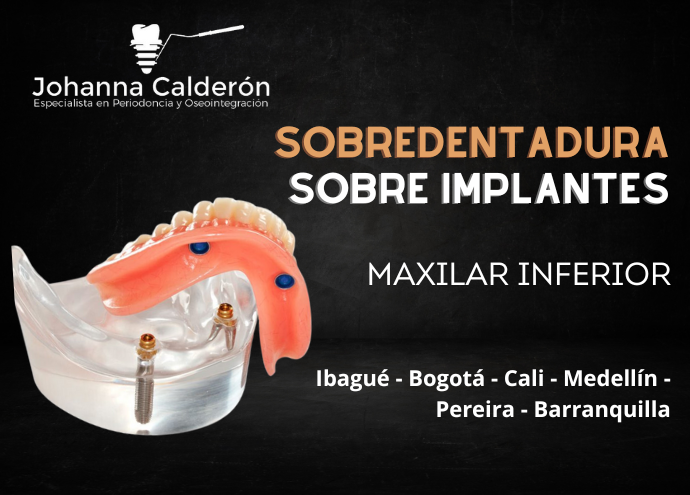
- All-on-4: a fixed restoration for one complete arch supported by four implants.
- All-on-6: a fixed restoration for one complete arch supported by six implants.
- Full-mouth dental implants: a common search term for replacing teeth in both the upper and lower arches. Each arch needs its own assessment and plan.
Four or six implants are not automatically dictated by choosing acrylic, metal-ceramic or zirconia. Implant number, distribution, available bone, bite and the planned prosthesis all matter.
Conventional full-arch implants and strategic implantology
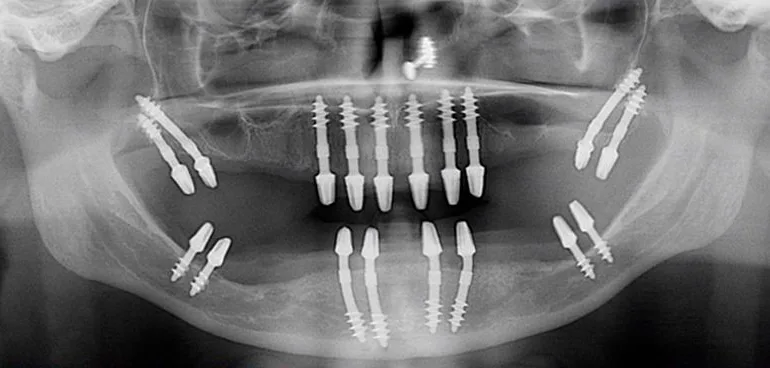
Conventional All-on-4 or All-on-6 and strategic implantology can address the same patient goal: a fixed full-arch restoration. They are different implant protocols, not two versions of an All-on-4 procedure. Depending on implant stability and clinical conditions, a conventional plan may also allow an immediate provisional prosthesis; other cases require a healing period before loading.
Our strategic dental implant guide explains an alternative full-arch protocol using a patient-specific number and distribution of implants. It may be described to patients as an “All-on-X” approach; an arch may require, for example, ten implants, but the number cannot be prescribed from a website. In selected cases, the clinic’s protocol aims to avoid bone grafts and provide an initial fixed prosthesis in approximately 48–72 hours. The definitive prosthesis follows its own clinical schedule. Suitability, grafting needs and timing must be confirmed after examination and 3D imaging.
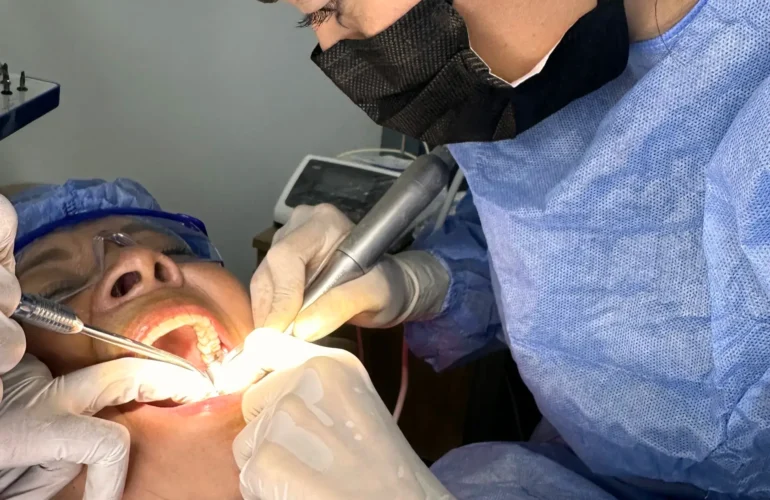
Patient video and clinical photograph
This Canadian patient’s account illustrates an individual experience with strategic implants in Colombia. It is not a guarantee that another patient will have the same treatment or timeframe. Read the full patient story and review the strategic implant treatment guide.

Types of Prostheses: Acrylic, Metal-Porcelain, and Zirconia
For any full-arch implant plan, choosing the prosthesis material is an individual clinical and budget decision. The main materials used are acrylic, metal-porcelain, and zirconia, each with unique characteristics, advantages, and drawbacks.
Acrylic full-arch prosthesis
Acrylic is a popular option because of its cost and ease of customization. These prostheses are lightweight and provide a natural appearance. One significant advantage is that acrylic can be adjusted and repaired easily. However, acrylic prostheses are less durable compared with other materials and may require more frequent replacements. They are also more susceptible to staining and wear over time.
Metal-porcelain full-arch prosthesis
For metal-porcelain prostheses, the fabrication process involves creating a metal base covered with a layer of porcelain. This combination provides significant strength due to the metal, while the outer porcelain offers a more natural appearance. However, unlike fully ceramic crowns, these crowns do not allow light to pass through in the same way natural teeth do, which may make them look less natural under certain lighting conditions.
Metal-porcelain prostheses may not be the best option for all patients. In patients with receding gums, the metal line at the base of the crowns may become visible.
Zirconia full-arch prosthesis
Zirconia is gaining popularity because of its combination of strength and aesthetics. These prostheses offer a natural appearance similar to porcelain and are highly durable. Zirconia is highly resistant to staining and wear, making it a long-lasting option. The main drawback is the higher cost associated with zirconia, which may not fit every budget.
Each type of prosthesis has advantages and limitations that influence the appearance and function of a full-arch restoration. Understanding these differences helps patients make informed decisions that align with their individual preferences and financial considerations.
All-on-4 Dental Implants — Cost Considerations: Balancing Price and Quality
When considering All-on-4 implants, it is crucial to understand the cost factors. The price of All-on-4 implants can vary significantly depending on several factors, including the choice of prosthetic materials, the complexity of the procedure, and the geographic location of the dental clinic. For example, different prosthetic materials such as acrylic, composite, or zirconia have different prices and quality levels. Zirconia, known for its durability and aesthetics, generally has a higher price compared with acrylic, which can be more affordable while still offering good results.
Achieving a balance between price and quality begins with choosing a reputable dental provider. High-quality care is often associated with higher costs, but this investment ensures better results and long-term satisfaction. Patients should look for professionals with extensive experience in All-on-4 procedures, as experience can significantly influence the success rate and longevity of the implants. In addition, consulting with several providers can help patients gain a more complete view of the available options and pricing structures.
Financing options can also be key when managing costs. Many dental offices offer payment plans that spread the expense over several months or years, making the procedure more financially accessible.

Author
Dr. Johanna Calderón
Specialist in periodontics and dental implants. At our clinic, we have a team of specialists providing comprehensive care: dental implants, periodontics, smile design, endodontics, and general dentistry.
We treat national and international patients and guide you with a clear plan based on your diagnosis — bone, gums, bite, and the area to be restored.
Last article update: 01/01/2026.