IV sedation dentistry in Barranquilla, Colombia – Pain-free dental care
Dental treatment with IV sedation provided by an anesthesiologist in Barranquilla, for adults and children following individual assessment. We help plan care when dental fear or the needs of the procedure make treatment difficult.
Dental fear, anxiety and dental phobia
If fear of needles, pain, sounds or a previous experience has kept you away from the dentist, tell us before booking. We can explain the treatment, agree on pauses and assess whether IV sedation is appropriate. Sedation can help you receive dental care; it does not guarantee a lasting cure for dental phobia.
Dental treatment and sedation are coordinated by our dental team and qualified medical specialists in anesthesiology. The assessment confirms the professional, suitable clinical setting and individual plan for adults or children.
Arranging care in Barranquilla
Our Barranquilla network has contact locations in Centro Histórico and Riomar. When enquiring, tell us your preferred area and whether the appointment is for an adult or a child. The team and suitable facility are confirmed for each sedation treatment.
For a child’s appointment, ask what medical information the parent or guardian should provide and how recovery will be arranged. Adults should also confirm an escort and return transport. Availability in the city does not mean every procedure takes place at every consulting room.
Contact locations: Centro Histórico and Riomar.
These links provide network location details. Assessment confirms the appropriate consulting room or facility for sedated treatment, the clinician and the date.
Your dentist and anesthesiologist work together
Dental treatment
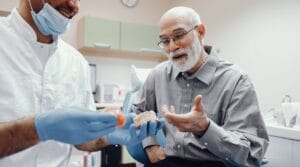
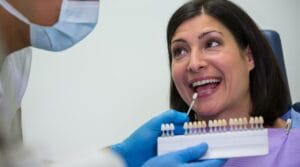
Your dentist plans and performs the dental procedure. Local anesthesia may be used to numb the area and control pain.
Sedation and medical monitoring
The anesthesiologist assesses suitability, administers IV sedation and monitors the patient during treatment and recovery.
IV sedation, local anesthesia and general anesthesia
| Option | Purpose | What to understand |
|---|---|---|
| Conscious IV sedation | Medicine delivered through a vein helps reduce anxiety and improve tolerance of dental treatment. | An anesthesiologist administers it. Relaxation and memory of the procedure vary with the patient and treatment plan. |
| Local anesthesia | Numbs the dental area being treated to control pain. | It can be used alongside sedation. Relaxation and numbing the treatment area have different purposes. |
| General anesthesia | Produces unconsciousness and requires a different care plan. | It is not another name for conscious sedation. Searching for “sleep dentistry” does not establish which option you need. |
Individual assessment for adults and children
Adults with dental fear or anxiety
Tell us what worries you: needles, pain, sounds, previous experiences or loss of control. Sedation may help you receive treatment, alongside clear explanations, breaks and communication. It does not guarantee a permanent cure for dental phobia.
Dental treatment for children
This option is available for children after dental and anesthesiology assessment. Age, development, airway, health, medicines and treatment needs are reviewed. Age or difficulty cooperating alone does not automatically establish suitability.
Before, during and after your appointment
- Prior assessment: disclose medical conditions, allergies, medicines, sleep apnea and previous anesthesia experiences. The team decides which tests are needed.
- Preparation: receive individual instructions about food or fasting, medication and an escort. Do not take sedatives on your own or stop regular medicines without medical instructions.
- Dental treatment: your dentist performs the procedure while the anesthesiologist administers sedation and monitors your condition and vital signs.
- Recovery and discharge: the team observes your recovery and confirms when you can leave with a responsible adult. Follow the driving and activity restrictions given to you.
- Follow-up: keep written instructions and clinic contact details. For children, the parent or guardian receives instructions for observation and care after discharge.
Sedation carries risks, including breathing changes, nausea, drowsiness and medication reactions. Assessment, monitoring and readiness to manage complications are part of planning. Conscious sedation is not suitable for every patient or procedure.
What to ask about your quotation
Ask for a quotation that distinguishes dental treatment from sedation and specifies the anesthesiologist’s assessment, planned duration, medicines, monitoring, recovery and inclusions. Cost depends on the procedure and the patient’s needs; your quotation is confirmed before treatment starts.
Implant prices remain in their dedicated cost guides. This page concerns sedation provided as part of dental treatment.
Dental treatments and local planning
Sedation accompanies dental treatment and does not replace its diagnosis. Explore local treatment options and coordinate your procedure with the team.
A patient’s experience at our clinic
An original testimonial already published by the clinic. It is an individual experience, not presented as a case from this city or a child’s treatment. Outcomes and memories of sedation may vary.
Assessment, tests and follow-up for dental sedation
We first talk with you to understand your situation, dental treatment needs and medical history. Tell us about underlying conditions, medicines and previous experiences with anesthesia or sedation.
Our clinic requests an electrocardiogram (ECG) as an additional test for patients over 60. For younger patients with underlying medical conditions, the doctor determines which additional tests are needed, including blood tests, based on the medical history and individual assessment. The specialist decides which tests are required and whether treatment can proceed. This describes our clinic’s protocol, rather than a universal rule for every patient.
Dental treatment with sedation takes place in our dental offices, coordinated by the dental team and medical anesthesiologist. Confirm your appointment address. We suggest arranging an accompanying adult after the procedure and following your team’s discharge instructions. We follow up with the patient during the hours after treatment.
Frequently asked questions about dental sedation in Barranquilla
What is conscious sedation in dentistry?
It uses sedative medicine to help you relax and tolerate dental treatment. Our clinic offers the intravenous option with a medical anesthesiologist, after an individual assessment. Local anesthesia may also be needed to numb the area being treated.
How much does dental sedation cost in Barranquilla?
Sedation is charged by time: the first hour has a higher rate, and additional time is charged as a fraction of that first-hour rate. Rates and applicable fractions depend on the city and specialist. The COP $600,000–$1,000,000 reference range is not a fixed total price for every duration. Before booking, request a quote detailing the first hour, additional time and inclusions. Dental treatment is quoted separately.
What are the risks of conscious dental sedation?
Possible effects include drowsiness, nausea and changes in breathing; medication reactions can also occur. Your health, medicines and the planned procedure affect the risk. The anesthesiologist assesses you, monitors you and plans how to respond to complications. Sedation is not risk-free or suitable for everyone.
How long does sedation last, and how long do its effects last?
The time under sedation and the recovery period are different. They depend on the dental procedure, medicines and your response. Feeling awake does not necessarily mean that attention and coordination have fully recovered. Your team confirms discharge and activity restrictions; there is no single duration for every patient.
Which is stronger: sedation or anesthesia?
They have different purposes. Local anesthesia numbs the treatment area; sedation reduces anxiety and awareness to a degree determined by the care plan. General anesthesia produces unconsciousness and requires a different assessment. They are not interchangeable options chosen simply by which is “stronger.”
What should I avoid after dental sedation?
Leave with the responsible adult arranged with the clinic. Do not drive or resume activities requiring full alertness until the period specified by your team has passed. Follow your written recovery and medication instructions. Parents or guardians receive the instructions for a child’s care.
Can I eat after sedation?
Ask the team at discharge when you may drink and eat again and what food is appropriate for the dental procedure. The advice depends on your recovery and any local anesthesia still affecting your mouth. Do not assume the same timing applies to every treatment.
Can a person hear or remember things during conscious sedation?
With conscious sedation you may still hear instructions and respond. Awareness and memory vary with the sedation level and your response to medication. Some people remember little, but complete sleep or absence of memories is not guaranteed.
Does sedation guarantee pain-free dentistry?
“Pain-free dentistry” describes a common patient concern. Sedation helps with anxiety and tolerance; local anesthesia controls pain in the area being treated when indicated. Tell the team if you feel discomfort so they can assess it. Sensations and discomfort after treatment vary by procedure and patient.
Where can I arrange an assessment in Barranquilla?
Use the location links for Centro Histórico and Riomar and confirm the facility, clinician and date. Tell the team from your first enquiry if the appointment is for a child.
Can I hire only an anesthesiologist for another clinic?
This service is provided as part of our clinic’s dental treatments. It is not advertised as an independent anesthesiologist booking service for other offices or non-dental procedures.
Will I be completely asleep?
Conscious sedation aims to improve relaxation and tolerance of treatment. Responsiveness and memory may vary. It is different from general anesthesia; the anesthesiologist will explain the proposed plan.
Can sedation be used for implants, periodontal care or oral surgery?
It can be assessed alongside these treatments and other dental procedures. Suitability depends on treatment complexity and duration, your health and your needs. Not every dental procedure requires sedation.
Can I ask about sedation if I have dental fear or phobia?
Yes. Ask for an assessment and explain your concerns from the first contact. The team can discuss ways to support your care and whether IV sedation is appropriate.
What if I have medical conditions or take medicines?
Tell both the dentist and anesthesiologist. A medical condition does not automatically establish suitability or exclusion. Do not stop medicines based on generic online advice.
How long should I fast, and when can I resume normal activities?
You will receive individual instructions before treatment and at discharge. They depend on age, medicines, technique, dental treatment and recovery. Confirm an escort, transport and restrictions before booking.
Google reviews from our patients


Further information and assessment
Read our national sedation dentistry information.
General medical references: Guy’s and St Thomas’ NHS: sedation and local anesthesia; AAP/AAPD: pediatric assessment, monitoring and recovery. These sources support general information; your treating team determines the appropriate care for you.
Patient experiences and an anesthesiologist’s explanation
These are adult cases from our clinic. Original videos are in Spanish; individual experiences do not predict another patient’s results.
Dental sedation cost and assessment
Sedation is charged by time: the first hour has a higher rate, and additional time is charged as a fraction of that first-hour rate. Rates and applicable fractions depend on the city and specialist. The COP $600,000–$1,000,000 reference range is not a fixed total price for every duration. Before booking, request a quote detailing the first hour, additional time and inclusions. Dental treatment is quoted separately.