
Patient testimonial with a medical explanation by Dr. Johanna Calderón. Medical explanation written and clinically reviewed by Dr. Johanna Calderón. The experience described does not predict other patients’ results.
Dental treatment with conscious IV sedation in Colombia
Care for adults and children with an anesthesiologist, following individual assessment. This option accompanies our dental treatments in Bogotá, Cali, Medellín, Barranquilla, Cartagena, Ibagué and Pereira.
Dental fear, anxiety and dental phobia
If fear of needles, pain, sounds or a previous experience has kept you away from the dentist, tell us before booking. We can explain the treatment, agree on pauses and assess whether IV sedation is appropriate. Sedation can help you receive dental care; it does not guarantee a lasting cure for dental phobia.
Dental treatment and sedation are coordinated by our dental team and qualified medical specialists in anesthesiology. The assessment confirms the professional, suitable clinical setting and individual plan for adults or children.
Support for receiving the dental treatment you need
If dental fear, anxiety or a previous experience has caused you to postpone care, tell us from your first enquiry. Assessment allows us to discuss your concerns and consider IV sedation alongside other ways to support treatment.
The service is provided within our dental treatment plans. It is not an independent anesthesiologist booking service for other offices or external medical procedures.
IV sedation, local anesthesia and general anesthesia
| Option | Purpose | What to understand |
|---|---|---|
| Conscious IV sedation | Medicine delivered through a vein helps reduce anxiety and improve tolerance of dental treatment. | An anesthesiologist administers it. Relaxation and memory of the procedure vary with the patient and treatment plan. |
| Local anesthesia | Numbs the dental area being treated to control pain. | It can be used alongside sedation. Relaxation and numbing the treatment area have different purposes. |
| General anesthesia | Produces unconsciousness and requires a different care plan. | It is not another name for conscious sedation. Searching for “sleep dentistry” does not establish which option you need. |
Individual assessment for adults and children
Adults with dental fear or anxiety
Tell us what worries you: needles, pain, sounds, previous experiences or loss of control. Sedation may help you receive treatment, alongside clear explanations, breaks and communication. It does not guarantee a permanent cure for dental phobia.
Dental treatment for children
This option is available for children after dental and anesthesiology assessment. Age, development, airway, health, medicines and treatment needs are reviewed. Age or difficulty cooperating alone does not automatically establish suitability.
Before, during and after your appointment
- Prior assessment: disclose medical conditions, allergies, medicines, sleep apnea and previous anesthesia experiences. The team decides which tests are needed.
- Preparation: receive individual instructions about food or fasting, medication and an escort. Do not take sedatives on your own or stop regular medicines without medical instructions.
- Dental treatment: your dentist performs the procedure while the anesthesiologist administers sedation and monitors your condition and vital signs.
- Recovery and discharge: the team observes your recovery and confirms when you can leave with a responsible adult. Follow the driving and activity restrictions given to you.
- Follow-up: keep written instructions and clinic contact details. For children, the parent or guardian receives instructions for observation and care after discharge.
Sedation carries risks, including breathing changes, nausea, drowsiness and medication reactions. Assessment, monitoring and readiness to manage complications are part of planning. Conscious sedation is not suitable for every patient or procedure.
What to ask about your quotation
Ask for a quotation that distinguishes dental treatment from sedation and specifies the anesthesiologist’s assessment, planned duration, medicines, monitoring, recovery and inclusions. Cost depends on the procedure and the patient’s needs; your quotation is confirmed before treatment starts.
Implant prices remain in their dedicated cost guides. This page concerns sedation provided as part of dental treatment.
Sedation dentistry in our seven cities
Bogotá
Cali
Medellín
Barranquilla
Cartagena
Ibagué
Pereira
Assessment, tests and follow-up for dental sedation
We first talk with you to understand your situation, dental treatment needs and medical history. Tell us about underlying conditions, medicines and previous experiences with anesthesia or sedation.
Our clinic requests an electrocardiogram (ECG) as an additional test for patients over 60. For younger patients with underlying medical conditions, the doctor determines which additional tests are needed, including blood tests, based on the medical history and individual assessment. The specialist decides which tests are required and whether treatment can proceed. This describes our clinic’s protocol, rather than a universal rule for every patient.
Dental treatment with sedation takes place in our dental offices, coordinated by the dental team and medical anesthesiologist. Confirm your appointment address. We suggest arranging an accompanying adult after the procedure and following your team’s discharge instructions. We follow up with the patient during the hours after treatment.
Frequently asked questions about dental sedation in Colombia
What is conscious sedation in dentistry?
It uses sedative medicine to help you relax and tolerate dental treatment. Our clinic offers the intravenous option with a medical anesthesiologist, after an individual assessment. Local anesthesia may also be needed to numb the area being treated.
How much does dental sedation cost in Colombia?
Sedation is charged by time: the first hour has a higher rate, and additional time is charged as a fraction of that first-hour rate. Rates and applicable fractions depend on the city and specialist. The COP $600,000–$1,000,000 reference range is not a fixed total price for every duration. Before booking, request a quote detailing the first hour, additional time and inclusions. Dental treatment is quoted separately.
What are the risks of conscious dental sedation?
Possible effects include drowsiness, nausea and changes in breathing; medication reactions can also occur. Your health, medicines and the planned procedure affect the risk. The anesthesiologist assesses you, monitors you and plans how to respond to complications. Sedation is not risk-free or suitable for everyone.
How long does sedation last, and how long do its effects last?
The time under sedation and the recovery period are different. They depend on the dental procedure, medicines and your response. Feeling awake does not necessarily mean that attention and coordination have fully recovered. Your team confirms discharge and activity restrictions; there is no single duration for every patient.
Which is stronger: sedation or anesthesia?
They have different purposes. Local anesthesia numbs the treatment area; sedation reduces anxiety and awareness to a degree determined by the care plan. General anesthesia produces unconsciousness and requires a different assessment. They are not interchangeable options chosen simply by which is “stronger.”
What should I avoid after dental sedation?
Leave with the responsible adult arranged with the clinic. Do not drive or resume activities requiring full alertness until the period specified by your team has passed. Follow your written recovery and medication instructions. Parents or guardians receive the instructions for a child’s care.
Can I eat after sedation?
Ask the team at discharge when you may drink and eat again and what food is appropriate for the dental procedure. The advice depends on your recovery and any local anesthesia still affecting your mouth. Do not assume the same timing applies to every treatment.
Can a person hear or remember things during conscious sedation?
With conscious sedation you may still hear instructions and respond. Awareness and memory vary with the sedation level and your response to medication. Some people remember little, but complete sleep or absence of memories is not guaranteed.
Does sedation guarantee pain-free dentistry?
“Pain-free dentistry” describes a common patient concern. Sedation helps with anxiety and tolerance; local anesthesia controls pain in the area being treated when indicated. Tell the team if you feel discomfort so they can assess it. Sensations and discomfort after treatment vary by procedure and patient.
Can I hire only an anesthesiologist for another clinic?
This service is provided as part of our clinic’s dental treatments. It is not advertised as an independent anesthesiologist booking service for other offices or non-dental procedures.
Will I be completely asleep?
Conscious sedation aims to improve relaxation and tolerance of treatment. Responsiveness and memory may vary. It is different from general anesthesia; the anesthesiologist will explain the proposed plan.
Can sedation be used for implants, periodontal care or oral surgery?
It can be assessed alongside these treatments and other dental procedures. Suitability depends on treatment complexity and duration, your health and your needs. Not every dental procedure requires sedation.
Can I ask about sedation if I have dental fear or phobia?
Yes. Ask for an assessment and explain your concerns from the first contact. The team can discuss ways to support your care and whether IV sedation is appropriate.
What if I have medical conditions or take medicines?
Tell both the dentist and anesthesiologist. A medical condition does not automatically establish suitability or exclusion. Do not stop medicines based on generic online advice.
How long should I fast, and when can I resume normal activities?
You will receive individual instructions before treatment and at discharge. They depend on age, medicines, technique, dental treatment and recovery. Confirm an escort, transport and restrictions before booking.
Medical information references
General medical references: Guy’s and St Thomas’ NHS: sedation and local anesthesia; AAP/AAPD: pediatric assessment, monitoring and recovery. These sources support general information; your treating team determines the appropriate care for you.
The clinic’s published patient experience and explanation
The original patient account, photographs and video continue below. One patient’s experience does not predict another person’s outcome. Current options and your quotation are confirmed during assessment of your dental treatment.
Patient experiences and an anesthesiologist’s explanation
These are adult cases from our clinic. Original videos are in Spanish; individual experiences do not predict another patient’s results.
Dental sedation cost and assessment
Sedation is charged by time: the first hour has a higher rate, and additional time is charged as a fraction of that first-hour rate. Rates and applicable fractions depend on the city and specialist. The COP $600,000–$1,000,000 reference range is not a fixed total price for every duration. Before booking, request a quote detailing the first hour, additional time and inclusions. Dental treatment is quoted separately.
Planning dental treatment in Colombia from abroad
We offer a virtual assessment and communication in English to prepare your dental visit. Share your medical history and planned travel dates before booking treatment. The dental team and anesthesiologist confirm whether you need further assessment, how to arrange a responsible adult companion and when you may travel after treatment.
Recovery, follow-up and any additional visits depend on the procedure and your progress. Do not book your return flight around a promised same-day recovery. Accommodation and optional tourism activities are arranged separately from your dental care.
Conscious Sedation Dentistry – Pain-Free Dentistry in Colombia (Bogotá, Ibagué, Cali, Pereira, Medellín, Barranquilla)
Hello, my name is Alicia Aristizabal. A couple of years ago, I had an aesthetic procedure with dental veneers, but unfortunately, the result was not what I expected. The veneers were poorly fitted, which led to periodontal disease. While looking for solutions, I found Dr. Johanna Calderón, who not only provided me with excellent periodontal treatment, but also offered me the option of undergoing it under conscious sedation to avoid any discomfort or pain. This was crucial for me because of my phobia of dental procedures.
What Is Conscious Sedation in Dentistry?
Conscious sedation in dentistry is a technique that allows dental treatments to be performed without the patient experiencing pain or anxiety. Unlike general anesthesia, with conscious sedation the patient remains awake, but in a state of deep relaxation. This sedation is administered and controlled by an anesthesiologist, who constantly monitors the patient’s vital signs throughout the entire procedure.
Clinical clarification: conscious sedation helps reduce anxiety and makes dental treatment easier to tolerate. Local anaesthesia numbs the treatment area to control pain and may be used alongside sedation, depending on the procedure and the team’s assessment. The need for sedation and the appropriate option are assessed individually.
How Does Conscious Sedation Work?
Conscious sedation is administered intravenously or through the inhalation of nitrous oxide, commonly known as “laughing gas.” This type of sedation is ideal for patients who are afraid of the dentist, as it eliminates anxiety and pain without the patient losing consciousness. During the procedure, the patient can respond to verbal stimuli, but will not remember most of the treatment.
Differences Between Sedation and Anesthesia
It is important not to confuse sedation with anesthesia. While local anesthesia numbs a specific area of the body, allowing the patient to remain fully conscious during the procedure, sedation reduces anxiety and creates a state of deep relaxation. In some cases, sedation is combined with local anesthesia to maximize patient comfort.
My Experience with Conscious Sedation
My experience with conscious sedation at Dr. Johanna Calderón’s clinic was incredibly positive. From the first consultation, Dr. Calderón explained in detail how conscious sedation worked and how it would be monitored by a professional anesthesiologist. This gave me the peace of mind I needed to move forward with the treatment.
The Procedure
On the day of the treatment, an intravenous line was placed and the sedation was administered. I only remember the feeling of relaxation as the IV was placed, and from that point on, I have no memory of the intervention. Dr. Calderón performed a deep cleaning and bone regeneration to treat the periodontal disease. Everything was carried out without pain or discomfort.
Recovery and Results
After the procedure, I woke up feeling well and with no pain. Recovery was quick and without complications, allowing me to return home shortly after the treatment. Dr. Calderón explained that conscious sedation has few side effects and that, in most cases, the patient feels fully recovered within a few hours.
Frequently Asked Questions About Conscious Sedation
How Long Does Dental Sedation Last?
The duration of sedation depends on the procedure being performed and the dose administered. Generally, sedation lasts between 30 minutes and 2 hours. Dr. Calderón and her team make sure the sedation is maintained throughout the entire procedure and that the patient remains comfortable at all times.
What Are the Risks of Sedation?
Conscious sedation is safe when administered by a professional. The risks are minimal and are usually related to the body’s response to the sedatives. It is essential to complete a prior medical evaluation to determine whether the patient is a suitable candidate for sedation.
How Much Does Dental Sedation Cost in Colombia?
The cost of dental sedation in Colombia varies depending on the clinic and the type of procedure. On average, the price of conscious sedation can range from $600,000 to $1,000,000 Colombian pesos, which is approximately $155 to $260 USD, depending on the duration of the treatment and the city where it is performed.
Difference Between Nitrous Oxide and Intravenous Sedation
Nitrous oxide is a mild form of conscious sedation that is inhaled and is ideal for short, less invasive procedures. Intravenous sedation, on the other hand, is deeper and is used for longer or more complex treatments. Both methods allow the patient to remain relaxed, but with intravenous sedation, the depth of sedation is greater.
Conclusion
My experience with conscious sedation at Dr. Johanna Calderón’s clinic was extremely satisfying. If, like me, you are afraid of dental procedures, conscious sedation is an excellent option that allows you to receive the treatment you need without anxiety or pain.
I am deeply grateful to Dr. Calderón for her professionalism and dedication. She not only helped me overcome my fear of the dentist, but also provided me with high-quality treatment that significantly improved my oral health. I recommend this type of sedation to anyone in a similar situation. It is a solution truly worth considering.
Financing options can also be key when managing treatment costs. If you would like to evaluate this option, contact us so we can provide different alternatives.
Feel free to contact us so we can learn about your case and guide you through the process. We provide care in Ibagué, Bogotá, Cali, Medellín, Barranquilla, and Cartagena.
Visit our social media channels and learn more about us. You can find us on Instagram as @periodoncista_johanna_calderon and on Facebook as @DraJohannaCalderon.
Further reading about the medical information
Contact us to discuss your case and treatment
Tell us about your needs and preferred city. Our team will contact you to arrange your consultation.
Follow our social media and get to know us
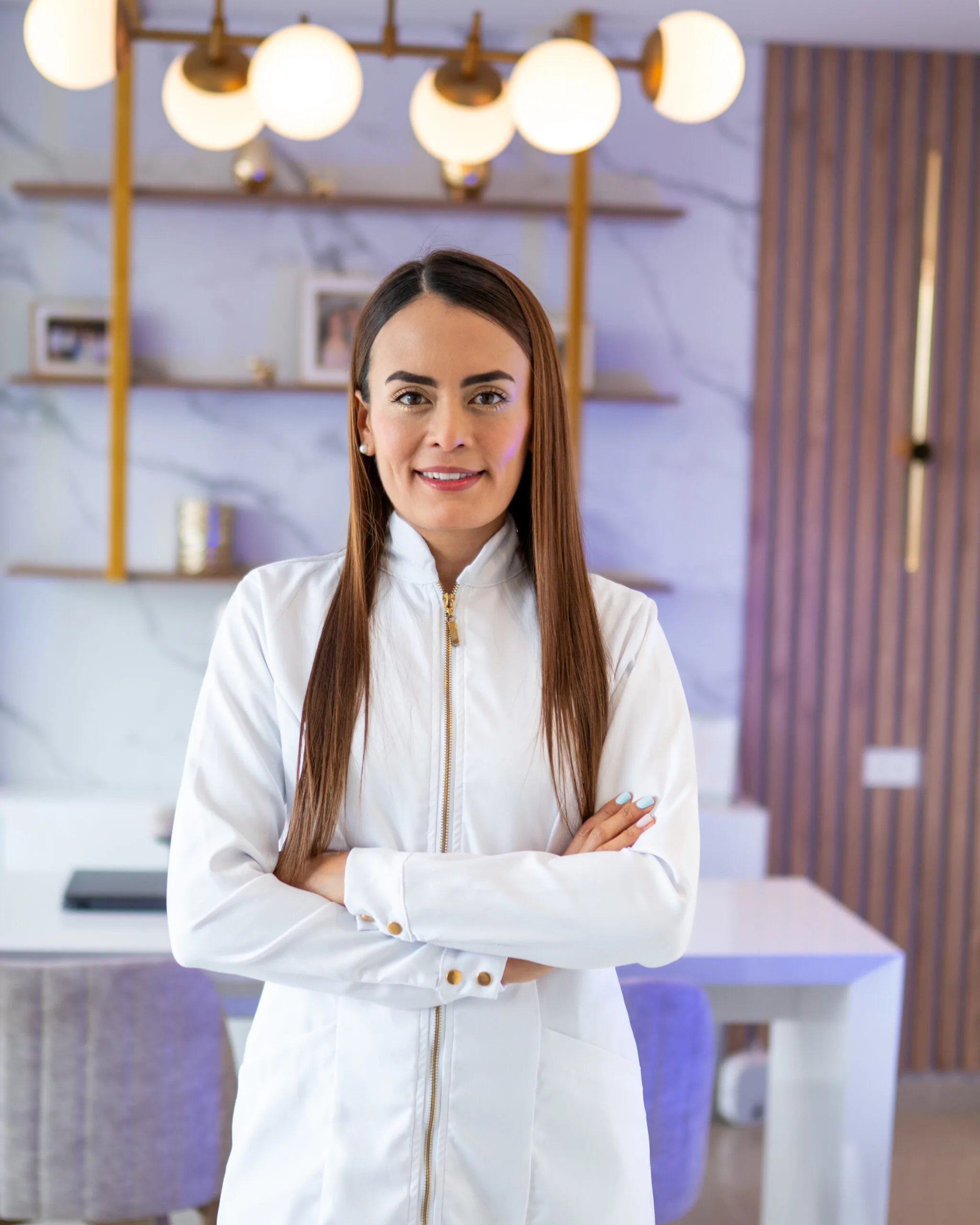
Clinical team
Dra Johanna Calderón
Periodontics and dental implants specialist. Our clinical team provides comprehensive care: dental implants, periodontics, smile design, root canal treatment and general dentistry.
We care for patients from Colombia and abroad and explain an individual plan based on their diagnosis.
IV sedation dentistry in Colombia – Pain-free dental care at our clinics
Request an individual assessment for IV sedation dentistry in Colombia – Pain-free dental care at our Colombian clinics. Choose your location to see its address and clinical team and request an appointment. Treatment is planned after clinical assessment.